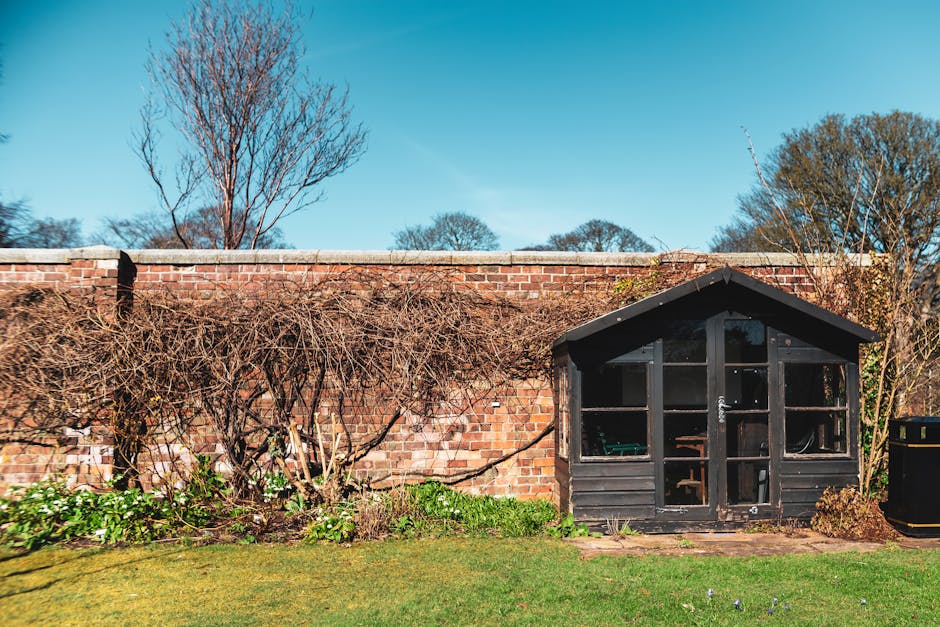
Garden Shed With Loft: Extra Storage Space

Affiliate disclosure: Some links on this page are affiliate links. If you buy through them we earn a small commission at no extra cost to you. This never influences which products we recommend — we only suggest things we'd buy ourselves. Product prices and availability are accurate as of the date published and are subject to change. Always check Amazon for current pricing before purchasing. Learn more.
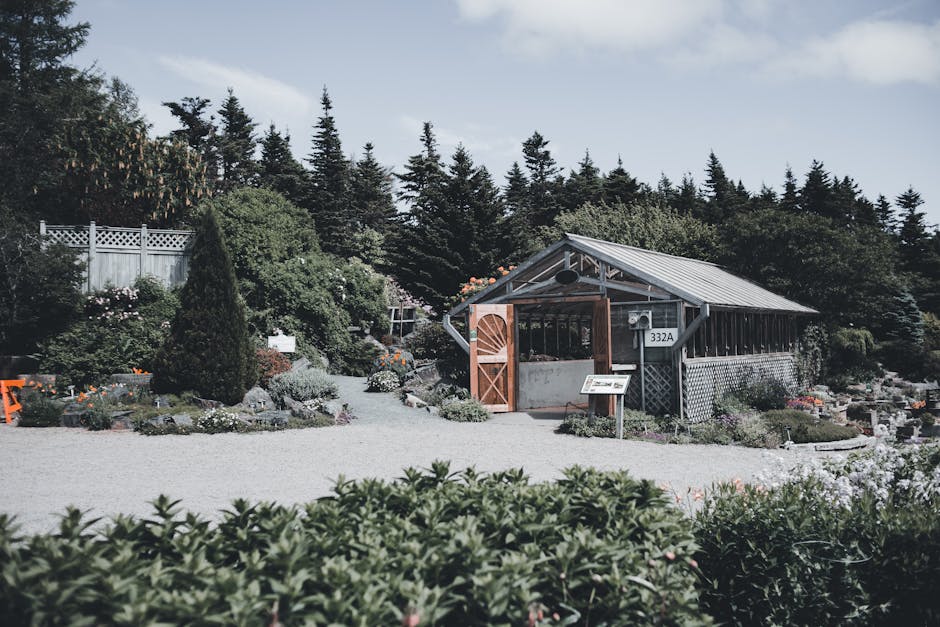
A garden shed with loft space is one of those structures that sounds like a luxury until you’ve spent a season tripping over your bag spreader every time you need to reach the hose. Then it becomes obvious. The loft converts dead vertical space into actual storage, keeps seasonal items off the floor, and lets the main level function as a workspace rather than a warehouse. If you’re already thinking about adding a permanent structure to your property, the full Greenhouses, Sheds & Gazebos section of this site covers the broader landscape of options worth considering before you commit.
This article is specifically about garden sheds with lofts. What they are, what separates a well-designed one from a frustrating one, and how to make a decision you won’t want to reverse in three years.
What a Garden Shed With Loft Actually Is
A garden shed with loft is a storage structure where the roof pitch is steep enough, and the interior height sufficient, to support a raised platform or half-floor above the main level. The loft typically runs along the back or side wall and is accessed by a fixed ladder or, in larger models, a set of steep stairs. Floor-level square footage stays the same. What changes is usable cubic footage.
The practical version of this: a 10x12 shed with a loft can store the same volume as a 10x16 without one, assuming you’re stacking things vertically. Lofts are best suited for lightweight seasonal items. Holiday containers, seed-starting supplies, empty planters, grow light equipment you only need for four months. Anything that gets used once or twice a year and needs to be completely out of the way the rest of the time.
Most sheds with lofts fall into a few categories. Prefabricated wood-panel kits, which you assemble on-site from pre-cut or pre-built components. Resin sheds, which are almost always too low for a functional loft. And custom-built structures, which cost significantly more but give you full control over loft depth, access, and structural rating. For most residential gardeners, the wood-panel kit is the practical answer.
The loft itself is usually a fixed platform, anywhere from 4 to 8 feet deep depending on the shed footprint. Smaller sheds (8x8 or 8x10) tend to produce lofts that feel cramped for anything except flat storage. Once you get to a 10x14 or 12x20 footprint, the loft becomes genuinely functional.
Why the Loft Configuration Matters More Than You’d Think
The obvious benefit is storage volume. The less obvious one is floor management. If you’ve ever had a shed where the floor fills up incrementally over three seasons until you can barely open the door without something falling on your foot, the loft solves that specific problem by giving you a permanent destination for anything that doesn’t need to be accessed weekly.
There’s also a workflow argument. A shed with clear floor space can function as a potting station, a tool maintenance area, or a place to start seeds on a folding table in March. A shed without clear floor space is just an expensive outdoor closet. The loft is what makes the difference between those two outcomes.
Structurally, a loft places real load demands on the shed frame. A platform that’s going to hold 600 pounds of bagged potting mix and clay pots needs to be built into the design, not retrofitted after the fact. This is where many DIY loft additions fail. The loft needs to be part of the shed’s structural system from the start, with proper beam sizing and support posts that transfer the load to the foundation.
Ventilation also shifts when you add a loft. Hot air accumulates at the top of any enclosed structure, and a loft limits how well ridge vents or gable vents can move air through the space. Good loft designs account for this with ventilation built into the loft platform itself or additional soffit and ridge vent pairing. Worth asking about explicitly if you’re buying a kit.
How to Choose and Set Up a Garden Shed With Loft
Determine Your Minimum Footprint First
Don’t start with aesthetics. Start with a list of what you actually need to store and separate it into two categories: things you reach for regularly, and things you reach for twice a year. The regular-access items define your floor footprint. The twice-a-year items define your loft requirements.
If you’re storing a riding mower, large wheeled equipment, or anything you push in and out frequently, a 12-foot depth is the minimum worth building. If the main level is all hand tools, bags, and a potting station, a 10-foot depth works. The loft depth should be at least 4 feet to be worth the structural cost, preferably 6.
Evaluate Foundation Requirements Before You Buy the Shed
A shed with loft is a heavier structure than a standard shed of the same footprint, and the loft load adds concentrated weight at specific points. A gravel pad is often adequate for sheds under 120 square feet, but a concrete slab with a minimum 4-inch thickness is a better long-term answer, especially where the ground moves through freeze-thaw cycles in winter. (I poured a floating slab for my current shed and would do it again without question.)
Confirm your local permit requirements before you order anything. Many jurisdictions require permits for structures over 100 square feet or structures with loft platforms that function as occupiable space. The threshold varies significantly by county.
Plan Loft Access Carefully
A fixed ladder takes up approximately 2 feet of floor space at its base and makes frequent trips impractical. If your loft is genuinely for once-a-season storage, a steep ladder is fine. If you’re planning to access it monthly, a stair configuration with a handrail is a better investment even if it costs floor space. Some 12x24 shed designs accommodate a proper set of stairs without compromising the main level.
Pull-down attic-style ladders also exist for shed lofts and are worth considering if vertical clearance is tight. They recover the floor footprint entirely when not in use.
Assemble With Two People and Read the Manual Twice First
Wood-panel shed kits are not difficult to assemble, but they are unforgiving of sequence errors. The most common mistake is setting wall panels before the floor frame is perfectly level and square. Every subsequent step amplifies a floor problem. Measure diagonals before you attach anything. The two diagonal measurements of a rectangle must match within 1/8 inch or you’ll have trouble getting doors and windows to hang correctly.
The loft platform, if it’s part of the kit, typically installs after the walls are up but before the roof framing goes on. Follow the manufacturer’s sequence. Deviating from it to save time usually creates rework. This is also one of those projects where having a second person isn’t optional. Wall panels on larger sheds run 8 to 12 feet and need to be held plumb while you fasten them.
Common Mistakes With Garden Sheds With Lofts
Underestimating the site prep cost. The shed itself might cost $2,500. Site prep, including gravel, a slab, or a deck-block foundation, often runs another $800 to $2,000 depending on your terrain. Budget for it before you order.
Choosing a shed with inadequate door width. A 60-inch double door looks reasonable until you try to roll a wheelbarrow through it. Sixty inches clears most single-wheeled equipment, but if you have a cart or wide spreader, 72 inches is the minimum you should accept. Check the door rough opening, not the nominal door width listed in marketing copy.
Treating the loft as overflow space from day one. If the loft fills up with miscellaneous items in the first month, it becomes unusable dead storage within a season. Assign it a specific category of items before anything goes up there and keep that boundary. Seed-starting supplies. Off-season irrigation equipment. Empty grow bags. Pick a category.
Skipping ventilation upgrades. Most kit sheds come with minimal ventilation. In summer, an unventilated shed with a loft reaches temperatures that degrade rubber gaskets, plastic containers, and any stored seeds or fertilizer. A gable vent on each end plus a ridge vent is the minimum. Adding a small solar-powered exhaust fan runs around $40 to $60 and makes a real difference if the shed gets afternoon sun.
Buying the smallest footprint that technically fits. Sheds are one of those purchases where buyers almost universally report wishing they’d gone one size larger. If you’re debating between a 10x12 and a 10x16, buy the 10x16. The additional cost at the time of purchase is almost always less than the frustration of outgrowing the structure within two years.
For more permanent structure decisions on a larger property, it’s worth reading through the structures section at Greenhouses, Sheds & Gazebos before you finalize anything. The same planning principles apply across building types, and the comparisons are useful context.
If you’re considering expanding beyond storage into growing space, the 12x20 greenhouse kit and aluminum greenhouse frame kit reviews on this site cover what to expect from kit-based structures at that scale, including foundation requirements that parallel what a large shed demands.
And if your property planning includes open-air structures, the cedar pergola kit review is relevant for understanding the difference between kit quality tiers, which applies to shed kits as much as anything.
Frequently Asked Questions
How much does a garden shed with loft typically cost?
Prefabricated wood shed kits with lofts start around $1,800 to $2,500 for a 10x12 footprint and run up to $5,000 or more for larger structures with better lumber grades. Custom-built sheds with proper lofts typically start at $8,000 to $12,000 for a finished structure, including foundation. Site prep, delivery fees, and any permit costs are additional and vary by location.
Do I need a building permit for a garden shed with loft?
In most jurisdictions, yes, if the structure exceeds 100 to 120 square feet or includes a platform that functions as occupiable space. Requirements vary significantly by county and municipality. Contact your local building department before you purchase or begin construction. Some HOAs have additional restrictions regardless of municipal rules.
What’s the minimum loft depth that’s actually useful?
Four feet is the practical minimum for storing flat items like empty grow bags, folded tarps, or seed-starting trays. Six feet allows you to store taller items on their sides and maneuver more easily. Anything under 4 feet is more of a shelf than a loft, and the structural cost rarely justifies it at that depth.
Can I add a loft to an existing shed?
Technically yes, but the existing shed frame must be evaluated for load capacity first. Most standard kit sheds are not designed to carry the additional point loads that a loft platform requires without reinforcement. In practice, it’s often more work than building a new structure that incorporates the loft from the start. If the existing shed is large enough and in good condition, a structural assessment by a local contractor is the right first step.
What foundation is best for a shed with loft?
A poured concrete slab with a minimum 4-inch thickness is the most stable option and the easiest to keep level over time, particularly where the ground freezes and thaws through winter. A gravel pad with pressure-treated timber perimeter framing works for smaller structures but requires more monitoring for settling. Deck blocks on gravel are adequate for sheds under 100 square feet without significant loft loads. For any shed with a functional loft, a concrete slab is the answer I’d give without much qualification.