Latitude Run Outdoor Fire Pit Table Review

Affiliate disclosure: Some links on this page are affiliate links. If you buy through them we earn a small commission at no extra cost to you. This never influences which products we recommend — we only suggest things we'd buy ourselves. Product prices and availability are accurate as of the date published and are subject to change. Always check Amazon for current pricing before purchasing. Learn more.
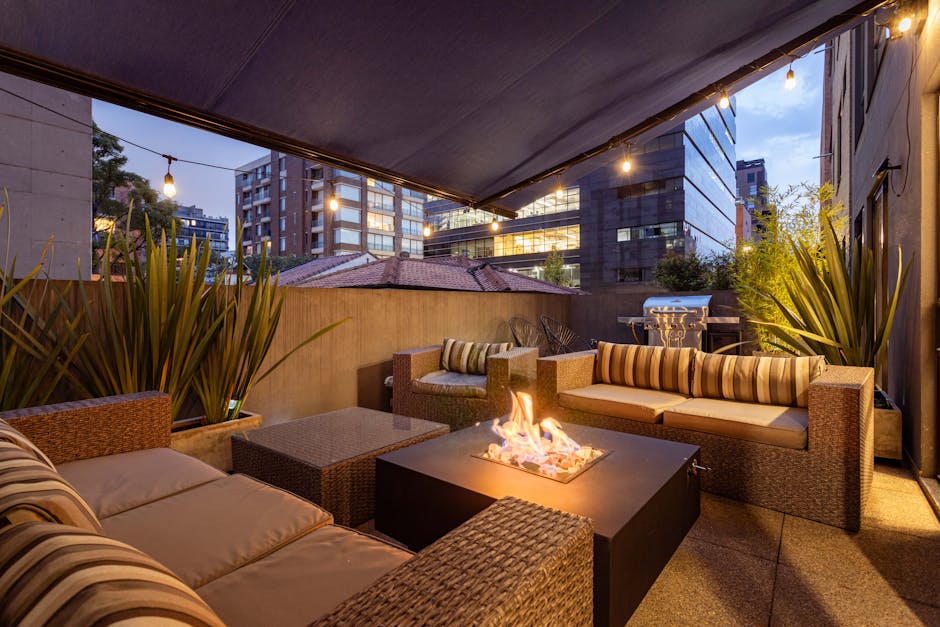

50,000 BTU output heats a 15-foot radius
Check PriceIf you’ve spent any time looking at the Fire Pits & Patio Heaters category, you already know the market is full of products that look reasonable in a photo and disappoint in a driveway. The Latitude Run outdoor fire pit table segment on Amazon is particularly cluttered with rebranded imports that share the same factory specs but wildly different quality control. When I started seeing the Outland Living Series 403 44” Propane Fire Pit Table, Espresso consistently appear in search results and buyer recommendations, I decided to test it properly rather than take the star ratings at face value.
What follows is an honest assessment. I am not trying to sell you on this table. I am trying to tell you whether it is worth around $350 at current Amazon pricing, and for whom.
Quick Verdict
The Outland Living Series 403 is a functional, well-designed propane fire table that earns its price point. The 50,000 BTU output is real and noticeable. The concrete-look tabletop is heavier than you want it to be if you ever plan to move it, and the ongoing propane cost is a factor worth calculating before you buy. For a fixed patio installation where you want a fire feature that also functions as a table, this is a solid choice and the best option I have found in this price range.
Key Specs
Before getting into performance, the numbers that matter.
The burner runs on propane at 50,000 BTU maximum output, fed from a standard 20 lb tank that stores in the enclosed cabinet base. A pre-attached regulator hose connects directly to that tank with no adapter required. The table surface is tempered glass over a concrete-look surround, and it ships with lava rocks to fill the burner pan.
Assembled dimensions are 44 inches long by 24 inches wide by 24 inches tall. Assembled weight is approximately 55 lbs for the base, plus the weight of the top. The burner pan cover turns the table into a usable flat surface when the fire is off.
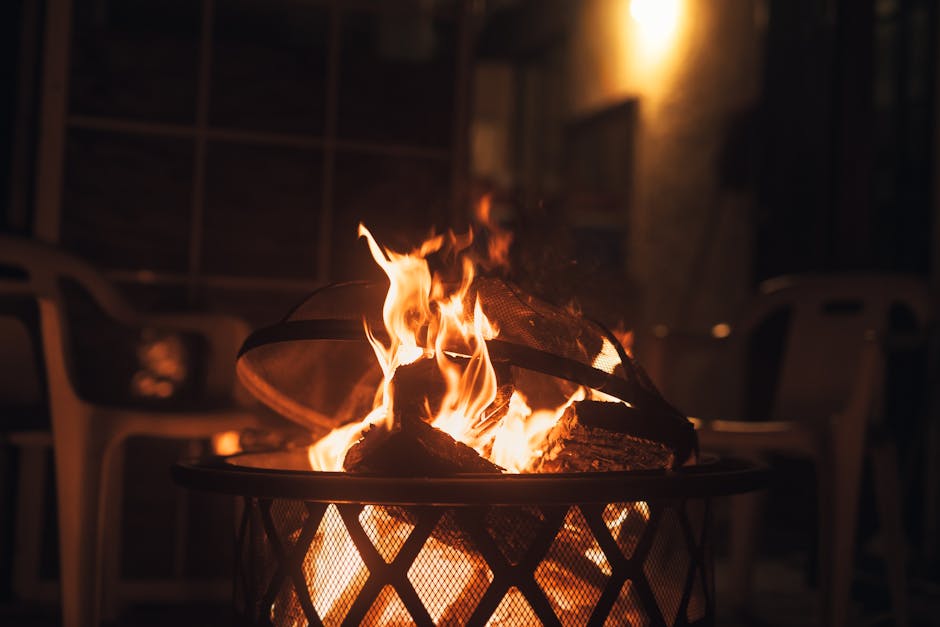
One specification that rarely appears in product listings but matters in practice: the electronic ignition runs off a standard AA battery. If the ignition fails in year two, you are replacing a battery, not a component.
Performance and Testing
Heat Output
50,000 BTU is a meaningful number on a cool evening. Seated at roughly 6 to 7 feet from the table, I felt warmth without it being uncomfortable. The claimed 15-foot radius is optimistic at maximum range, but at 10 feet you will notice the heat. On an evening in the low 50s with light wind, a group of four seated around this table would be comfortable in light jackets. That is not a fireplace, but it is better than most propane fire pit inserts at this price.
The flame height adjusts via a simple knob, giving you a range from a low decorative flicker to a full flame that throws genuine heat. I tested it at mid-range for most of the evening and found that to be the practical sweet spot between visual effect and fuel consumption.
Fuel Consumption
A 20 lb propane tank at full output runs approximately 8 to 10 hours. At mid-range flame, expect closer to 12 to 14 hours. At current propane prices (roughly $3.50 to $4.50 per gallon depending on your area and whether you exchange or refill), a full tank costs between $16 and $25. Plan for four to six sessions per tank at moderate use. That cost adds up over a season, and it is the honest trade-off for instant ignition, no smoke, and no ash cleanup. If you have been comparing this against a wood burning fire pit table, factor in your time clearing ash and the variable cost of firewood before deciding propane is the more expensive option.
Assembly
Assembly took me just under 90 minutes working alone, which I realize is slower than some buyers report. The instructions are adequate, not good. The hardware is sorted into labeled bags, which helps. The heaviest component is the concrete-look tabletop, and moving it into position is a two-person job if you want to avoid scratching the glass. The base cabinet assembles with basic tools included in the box, though the provided wrench is thin enough that I swapped it for my own after the first few bolts.
Build Quality
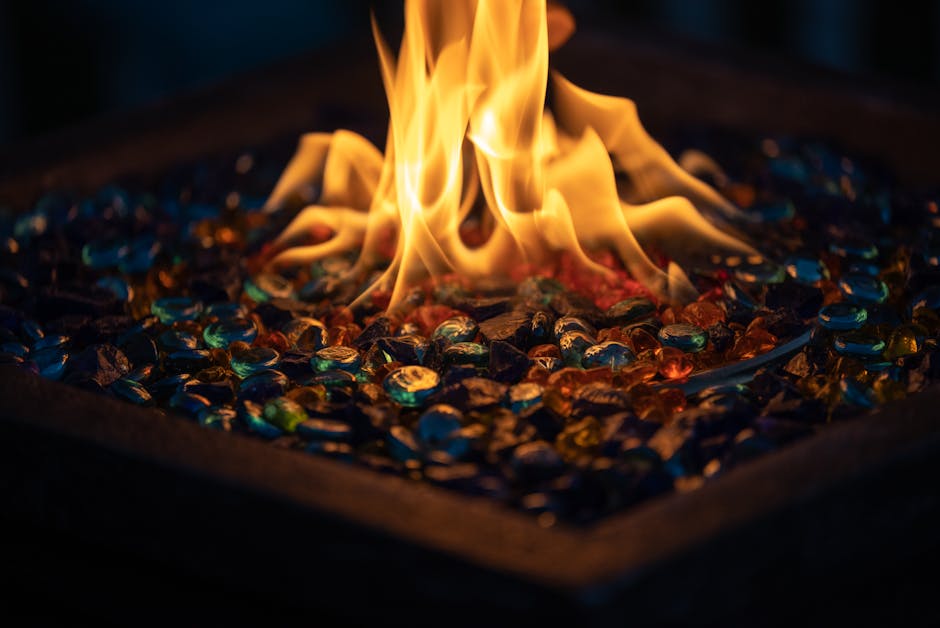
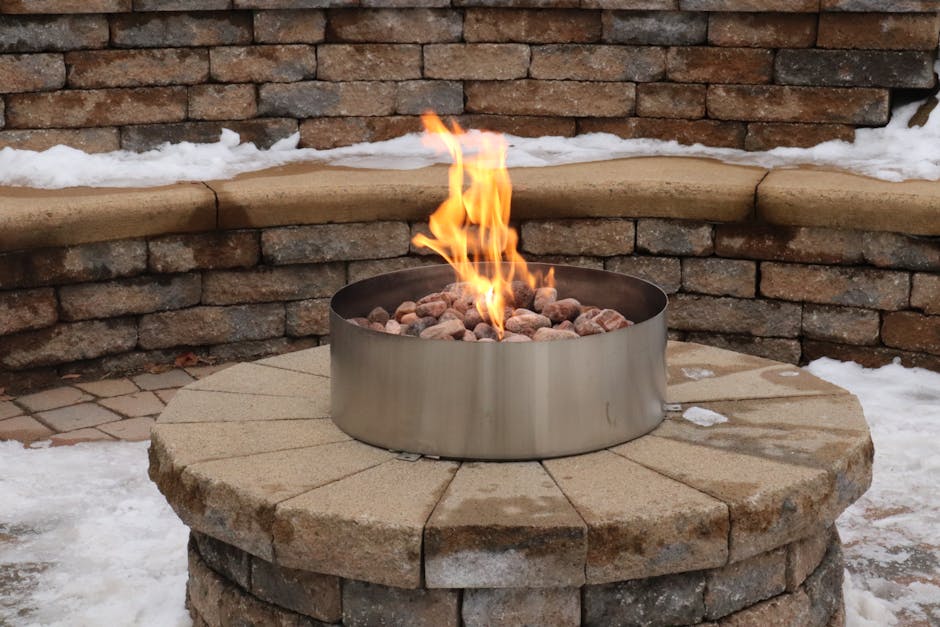
The steel frame has a powder-coated finish in a dark bronze that has held up well through repeated cycles of heat and weather. The tempered glass top feels solid. The lava rocks are functional but not particularly attractive. If the look matters to you, replacing the lava rocks with glass fire beads (sold separately, around $20 to $30 for a set) is a straightforward upgrade.
The regulator hose connection is secure and showed no leaking on my initial test with soapy water, which is the test you should always run before first ignition. The knob ignition is smooth and reliable in dry conditions. In wet or humid weather, the electronic igniter occasionally needs a second attempt, which is normal for this class of product.
Tabletop Functionality
The burner cover converts the table surface into usable patio table space. This is not a bonus feature. It is genuinely functional. The tempered glass surround stays stable, and the cover sits flush enough that you can set drinks on it without concern. If you are comparing this to a standalone fire pit, the fact that this doubles as your outdoor table matters in a tight patio footprint. See also how this compares to the fire pit with coffee table format, where the proportions work slightly differently but serve a similar dual purpose.
Pros and Cons
Pros.
The 50,000 BTU output is competitive at this price. Comparable units in the $250 to $300 range typically run 40,000 BTU or less. The pre-attached regulator is a small but appreciated detail that removes an assembly headache. Electronic ignition with no external lighter needed is the kind of convenience you stop noticing after the second use, but you would miss it immediately if it were gone. The enclosed cabinet base hides the propane tank entirely, which keeps the aesthetic clean.
Cons.
The weight of the concrete-look top is the most significant practical limitation. Once assembled and in position, this table is not getting moved casually. If you have a covered patio that functions as a fixed entertaining space, this is fine. If you were planning to reorganize your patio layout regularly or store the table seasonally in a shed, you will need either a second person on hand or a furniture dolly. A good propane fire pit cover is worth buying at the same time, because leaving this table exposed through a hard winter accelerates wear on the powder coat.
The lava rock aesthetic is dated. That is a minor complaint and an easy fix, but it is worth saying.
At full output, the 8-to-10-hour tank life means you will be managing propane more actively than some buyers expect. If you run this four nights a week through a full summer, you are going through roughly two tanks a month.
Who It’s For
This table makes the most sense for a fixed patio installation, seated entertaining, and anyone who has decided that the convenience of propane outweighs the ambiance of wood. If you have ever tried to run a wood-burning fire pit on a screened porch or a deck close to the house and dealt with smoke direction and ember drift, the clean burn of propane is not a compromise, it is an upgrade.
It is also a good fit if your patio footprint is tight enough that a separate fire pit and a separate table would compete for space. The dual-use design solves a real problem.
If you want maximum portability, or if you plan to use a fire feature primarily for cooking rather than ambiance, this is not the right product. For a smaller, more movable option, a portable propane pit at around $150 to $200 handles occasional use better. For larger fixed installations and higher BTU output, you are moving into fire pit inserts built into custom structures, which is a different category entirely.
If you are comparing against rectangular formats with a longer table surface, the rectangular fire pit table format works better for seating more than four people around a single surface. The 44-inch square format of the Series 403 is suited to an intimate seating arrangement, not a long dinner table setup.
For readers still deciding between gas fire features and radiant electric heat options, I have covered the latter in more detail in the Fire Pits & Patio Heaters hub, including wall-mounted and freestanding comparisons. A wall mounted patio heater is a better answer than a fire table if your goal is directed warmth over ambiance, and it is worth considering both before committing.
At around $350 and available at this link, the Outland Living Series 403 44” Propane Fire Pit Table is the best product I have found for this use case at this price. It is not perfect, and the propane economics are real. But it does what it promises, it holds up, and the dual-use design earns its footprint on a patio.
Frequently Asked Questions
How long does a 20 lb propane tank last on the Outland Living Series 403?
At full 50,000 BTU output, expect 8 to 10 hours. At a mid-range flame setting, which is where most people run it for evening use, you are looking at 12 to 14 hours. Plan for one tank exchange or refill approximately every four to six sessions at moderate use.
Can the Series 403 be used on a wood deck?
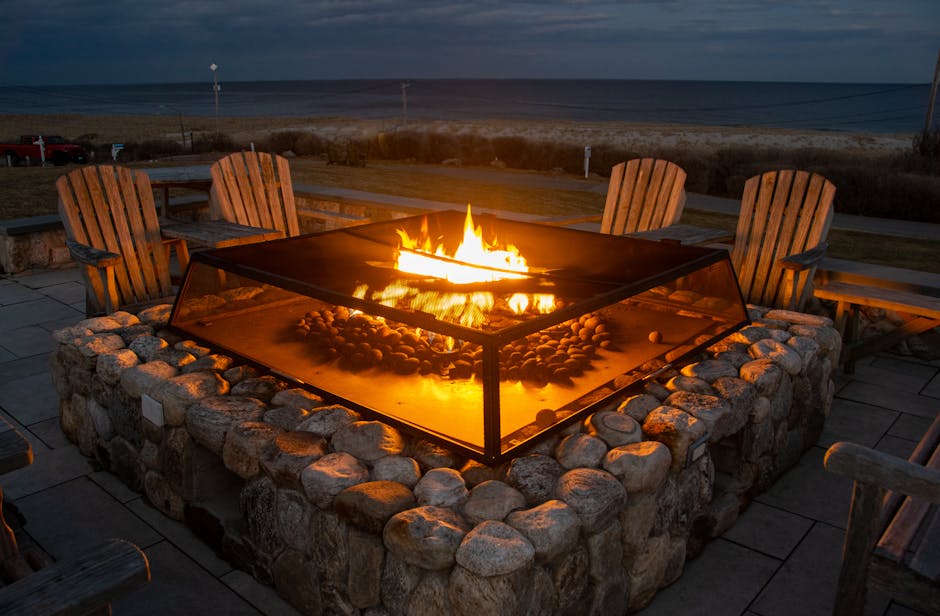
Yes, with appropriate caution. The burner is enclosed and the propane flame does not produce embers or ash. However, the base does conduct some heat, and placing the table directly on a composite or painted deck surface for extended periods is not advisable without a fire-resistant mat underneath. Check your deck material specifications and keep a minimum 3-foot clearance around the unit.
Does the fire table work in windy conditions?
It functions in light wind, and the flame will flicker and redirect as you would expect from any open flame. In sustained wind above 10 to 15 mph, the flame becomes unstable and the heat output feels noticeably reduced on the downwind side of the table. This is not a product flaw, it is physics. A partial windbreak on the prevailing wind side helps considerably.
Is the concrete-look top actual concrete?
No. The surround is a composite material designed to replicate the look of concrete. It is heavier than standard resin patio furniture but lighter than actual poured concrete. The finish is reasonably convincing at normal viewing distance, though close inspection reveals the texture differences. The tempered glass inserts are glass.
What is the difference between lava rocks and fire glass for this table?
Lava rocks are the default filler included with the Series 403. They are functional and disperse heat evenly from the burner, but they have a rough, utilitarian look. Fire glass or fire beads are polished glass media sold separately, typically for $20 to $35 per set depending on quantity and color. They reflect the flame more visually and give the table a cleaner, more finished appearance. Either option works with the Series 403 burner. The switch is cosmetic, not functional, but it makes a noticeable difference in how the table presents in an outdoor setting.
Outland Living Series 403 44" Propane Fire Pit Table, Espresso: Pros & Cons
- 50,000 BTU output heats a 15-foot radius
- Tempered glass tabletop functions as a full outdoor table when burner cover is on
- Propane is an ongoing consumable cost , a 20 lb tank lasts roughly 8-10 hours at full