Suction Cup Window Bird Feeders: A Roundup

Affiliate disclosure: Some links on this page are affiliate links. If you buy through them we earn a small commission at no extra cost to you. This never influences which products we recommend — we only suggest things we'd buy ourselves. Product prices and availability are accurate as of the date published and are subject to change. Always check Amazon for current pricing before purchasing. Learn more.
Quick Picks
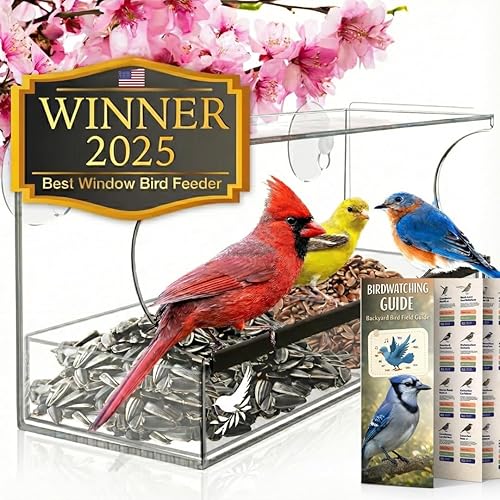
Nature's Hangout Window Bird Feeder with Strong Suction Cups and Seed Tray
Clear acrylic mounting brings birds within inches of indoor viewers , best close-up wildlife experience
Check Price
Droll Yankees Classic Sunflower Seed Bird Feeder, 20-Inch
Ring Pull Advantage lid removes with one hand for fast, mess-free refilling
Check Price
Brome Squirrel Buster Plus Bird Feeder with Cardinal Ring
Passive weight-activated cage closes seed ports when squirrels grab on , no batteries needed
Check Price| Product | Price Range | Top Strength | Key Weakness | Buy |
|---|---|---|---|---|
| Nature's Hangout Window Bird Feeder with Strong Suction Cups and Seed Tray best overall | $ | Clear acrylic mounting brings birds within inches of indoor viewers , best close-up wildlife experience | Birds may take days or weeks to discover and trust a window-mounted feeder | Check Price |
| Droll Yankees Classic Sunflower Seed Bird Feeder, 20-Inch also consider | $ | Ring Pull Advantage lid removes with one hand for fast, mess-free refilling | No squirrel deterrent , needs a baffle pole or dome purchased separately | Check Price |
| Brome Squirrel Buster Plus Bird Feeder with Cardinal Ring also consider | $$ | Passive weight-activated cage closes seed ports when squirrels grab on , no batteries needed | More involved cleaning than simple tray feeders | Check Price |
| Droll Yankees Yankee Flipper Squirrel-Proof Bird Feeder also consider | $$ | Weight-activated motor spins the perch when a squirrel lands , reliably deters them | Requires charging , dead battery means squirrels have free access | Check Price |
| First Nature 3055 32-oz Hummingbird Feeder, Red also consider | $ | Wide-mouth base unscrews completely for easy cleaning , the biggest hummingbird feeder frustration solved | 32 oz capacity requires frequent cleaning in summer heat , nectar ferments in 3-5 days | Check Price |
If you spend any time near a window in late afternoon, you already know the problem: the birds are out there, doing interesting things, and you’re in here, looking at a smear on the glass where a feeder used to be. The suction cup window bird feeder solves that in a specific and satisfying way. Mount it directly to the glass, fill it, and the birds come to you. Inches away, not fifty feet across the yard.
The category sounds simple. It mostly is. But there’s a meaningful gap between the feeders that stay mounted through a Connecticut ice storm and the ones that end up on the patio at 2 a.m., seed scattered everywhere. I tested five feeders this season across window and pole locations on my property, including three with suction-cup or close-proximity mounting options. My notes follow.
For a broader look at feeder types, pole systems, and baths, the Bird Feeders & Baths section covers more ground than this article can.
Our Top Picks
Best overall window bird feeder: Nature’s Hangout Window Bird Feeder with Strong Suction Cups and Seed Tray
Best budget tube feeder: Droll Yankees Classic Sunflower Seed Bird Feeder, 20-Inch
Best passive squirrel-proof: Squirrel Buster Plus Bird Feeder with Cardinal Ring
Best for entertainment value: Droll Yankees Yankee Flipper Squirrel-Proof Bird Feeder
Best hummingbird feeder: First Nature 3055 32-oz Hummingbird Feeder, Red
How We Tested
I ran these feeders from late March through mid-October, which is long enough to catch spring migration, summer nesting activity, and the heavy fall feeding period before the yard goes quiet. The window feeders went on the south-facing kitchen window and a larger study window. The tube and pole feeders ran on a 1.5-inch galvanized pole about 14 feet from the kitchen window, which is close enough to watch from the sink.
Criteria I tracked: how long the suction cups held without repositioning, how easy the feeder was to clean with cold hands (because that’s the real condition), how quickly birds found and adopted each feeder, capacity versus refill frequency in peak months, and whether the squirrel-deterrent features actually deterred squirrels or just made me feel better about spending more money.
I did not test in artificial conditions. I did not measure airflow or do laboratory adhesion testing. I watched feeders in actual weather, on actual glass, with actual squirrels. (My property has a lot of squirrels.)
Full Reviews
Nature’s Hangout Window Bird Feeder with Strong Suction Cups and Seed Tray
Nature’s Hangout Window Bird Feeder with Strong Suction Cups and Seed Tray is the feeder I’d recommend first to anyone with limited outdoor space or anyone who specifically wants the close-up viewing experience. It mounts flat against the glass on three suction cups, holds over four cups of seed, and sits low enough that you’re looking at birds at eye level rather than watching them from below.
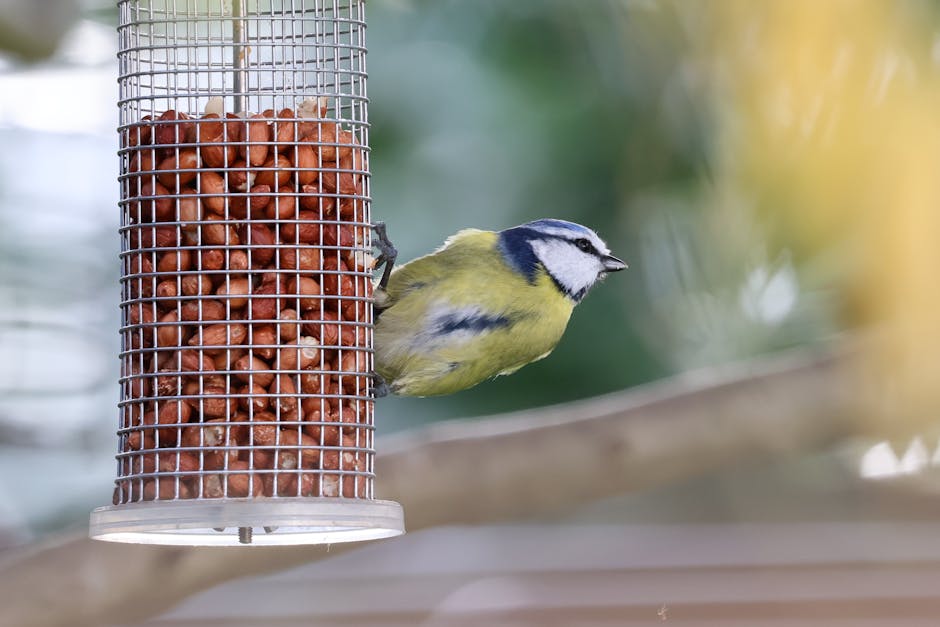
The suction cups are the central claim and worth addressing directly. Mine stayed mounted on a double-pane window for the full eight-month test period without repositioning. I did clean the glass thoroughly before mounting, which the instructions tell you to do and which most people skip. The cups held through a late April frost with overnight temperatures dropping hard and through a week of direct afternoon sun that would have failed cheaper hardware. The manufacturer claims 12-plus months of hold. I can’t confirm that yet, but I have no reason to doubt it based on what I saw.
Capacity is genuinely useful. Four-plus cups of mixed seed means you’re not refilling every two days during peak fall migration when you’ve got chickadees, nuthatches, and a persistent house finch all competing for the same perch. The tray design also catches a meaningful amount of shell debris, which matters if the feeder is over a deck or patio.
The realistic limitation is adoption time. Birds are conservative about new feeding locations, especially at windows. Mine took about ten days before the first chickadee committed to the window feeder. Sparrows took longer. If you mount this and expect birds within 48 hours, you’ll be disappointed. Expect a week to two weeks. Put it near an existing feeder if you can, so birds are already comfortable in the vicinity.
Cleaning requires removing the feeder from the window, which is slightly more involved than rinsing a tray in place. Not a real objection, but worth knowing.
Price runs around $30 to $35 currently on Amazon. For an award-winning design with this adhesion performance, that’s fair.
Droll Yankees Classic Sunflower Seed Bird Feeder, 20-Inch
This is where I’d start someone who wants a simple, reliable tube feeder and doesn’t want to spend $60 on their first attempt. The Droll Yankees Classic Sunflower Seed Bird Feeder, 20-Inch is American-made, comes with a lifetime guarantee, and does exactly what a tube feeder should do without complications.
The Ring Pull Advantage lid is the feature that earns its mention. You lift one ring and the top comes off. Refilling with one hand while holding a seed bag in the other is a small convenience that compounds over dozens of refills. The UV-stabilized polycarbonate tube is not a marketing claim. I’ve watched cheaper feeders yellow and crack in two seasons. Droll Yankees tubes hold their clarity.
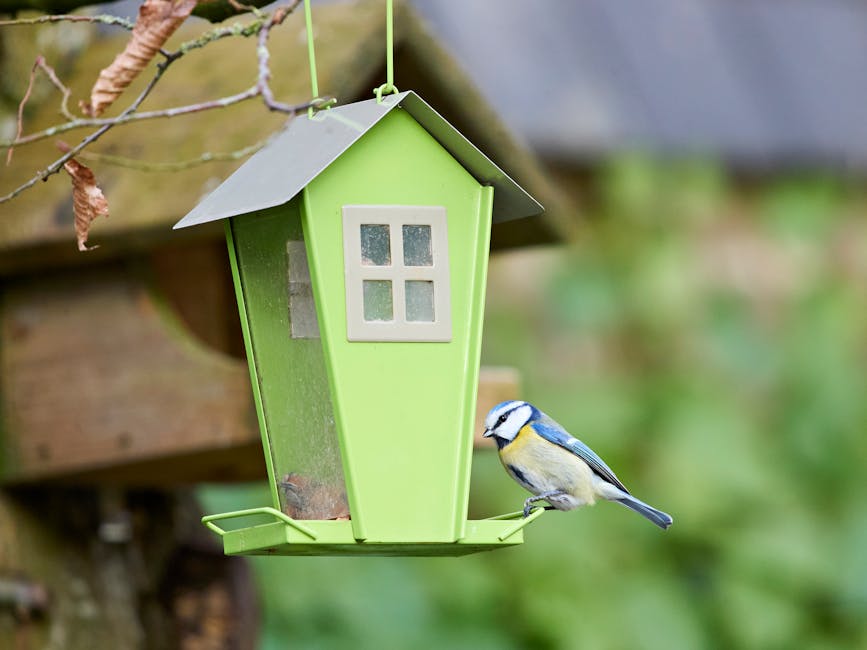
Six feeding ports handle multiple species at once. With sunflower seed loaded, I had chickadees, a pair of white-breasted nuthatches, and goldfinches using it simultaneously during the peak October period.
The honest limitations are two. First, it holds approximately one pound of seed, which sounds adequate until you’re into serious fall feeding and refilling every day or two. Second, there is no squirrel deterrent built in. Squirrels will find this feeder. If you don’t already have a baffle setup, read through the bird feeder baffles for squirrels guide before you buy. A pole-mounted wrap baffle runs around $20 to $30 and turns this feeder into a genuinely squirrel-resistant system. Without one, you’re just feeding squirrels with extra steps.
Current price is around $18 to $22. At that price, the lifetime guarantee is a real differentiator.
Squirrel Buster Plus Bird Feeder with Cardinal Ring
The Squirrel Buster Plus Bird Feeder with Cardinal Ring is the feeder I’d recommend to anyone who wants passive squirrel exclusion without a motor, batteries, or anything that can wear out or run dead. The mechanism is weight-activated: when something heavier than a songbird grabs the perch ring, the outer cage drops and closes the seed ports. No power source, no moving parts beyond the cage itself.
It works. I’ve watched squirrels hit this feeder repeatedly, trigger the closure within a second of landing, and eventually leave. The key variable is the adjustable weight sensitivity, which lets you set the closure threshold. The default setting excludes squirrels and most large nuisance birds. Dialing it tighter will also exclude grackles and European starlings. Dialing it looser opens the feeder to cardinals, which are heavier than people expect. The cardinal ring accessory extends the perch for larger birds and integrates neatly with the weight system.
Five-point-one pound capacity is where this feeder earns its keep in fall. I went four to five days between refills in October with a high traffic period, compared to daily refills on the Droll Yankees tube. Six feeding ports mean birds aren’t stacking up waiting.
Cleaning is more involved than a simple tray feeder. The cage, the tube, and the base all need attention periodically, and the components are more numerous than a basic feeder. Not complicated, but not a one-rinse operation either.
Price runs around $50 to $60. If you want a squirrel dome for bird feeder setup instead, that’s a legitimate alternative approach, though the Squirrel Buster’s built-in mechanism is cleaner at this price point.
Droll Yankees Yankee Flipper Squirrel-Proof Bird Feeder
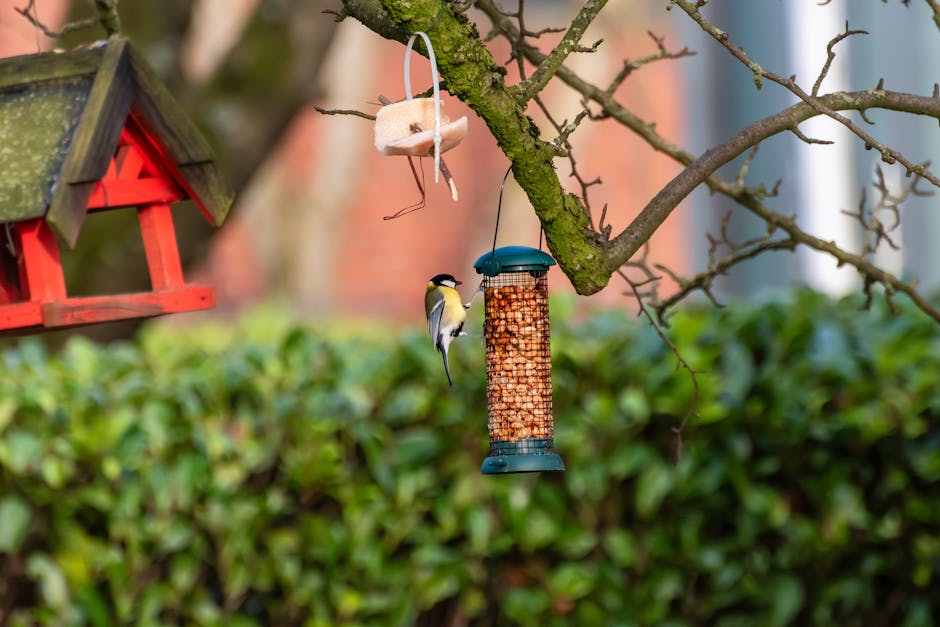
I’ll be straightforward: the Droll Yankees Yankee Flipper Squirrel-Proof Bird Feeder is not the most cost-efficient squirrel solution. It is, however, the most entertaining one, and I say that as someone who doesn’t use the word “entertaining” about garden equipment lightly.
The mechanism is weight-activated like the Squirrel Buster, but instead of closing seed ports, it spins the perch. A squirrel lands, the motor engages, and the squirrel goes around. Multiple times, in my experience, because squirrels are stubborn. Birds, being lighter, don’t trigger the motor and feed normally.
Practical specs: five-pound capacity, wide seed tube that accepts sunflower or mixed seed, USB-C rechargeable with a battery life measured in months per charge. The charging dependency is the real-world vulnerability. If the battery runs dead during a busy feeding period and you don’t catch it for a few days, squirrels have open access and they will remember. Set a calendar reminder to check charge monthly.
Price is around $170 to $180 currently, which is significantly more than the Squirrel Buster Plus. For a family with kids who will actually watch and enjoy the squirrel spin-off, that premium makes sense. For pure deterrence efficiency, the Squirrel Buster at half the price does the job without the charging requirement.
The motor will eventually wear out. Droll Yankees’ customer service history is good, and the lifetime guarantee covers manufacturing defects, but mechanical components have finite lives that passive weight cages do not.
First Nature 3055 32-oz Hummingbird Feeder, Red
The First Nature 3055 32-oz Hummingbird Feeder, Red is the best-value hummingbird feeder I’ve used, and the reason is the cleaning design rather than anything aesthetic. The base unscrews completely. The entire nectar reservoir comes apart into two pieces that fit easily under a faucet or in a dishwasher. (I timed the full cleaning at under three minutes.) If you’ve ever owned a hummingbird feeder with a narrow neck and feeding tube ports that require a specialty brush and twenty minutes of frustrated rinsing, you understand why this matters.
Hummingbirds abandon feeders with old or fermented nectar. In summer heat, nectar goes bad in three to five days. That means you’re cleaning this feeder frequently regardless of what feeder you own. The First Nature’s design makes a frequent task quick enough that you’ll actually do it, which means the nectar stays fresh, which means the hummingbirds come back.
Ten feeding ports handle multiple birds simultaneously, which is relevant during peak migration when hummingbirds are moving through and competition at feeders is high. The red color is proven to attract hummingbirds without dye in the nectar. Skip the red dye in your sugar-water mix. Clear nectar, red feeder, done.
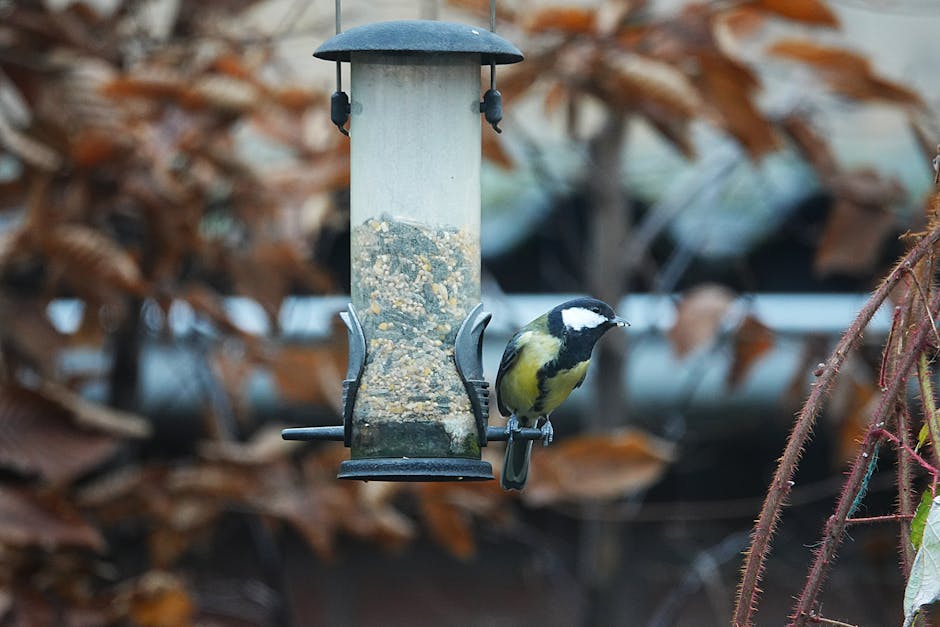
The 32-ounce capacity is larger than it sounds. For a single-pair territory, you might not drain this in five days, meaning you’re cleaning on a schedule rather than when it empties. Build that into your routine.
This is a functional, practical feeder made of plastic. It doesn’t look like an artisan piece and it doesn’t pretend to be one. Price runs around $12 to $15, which is honest for what it is. If aesthetics matter to you and you want a glass feeder, there are better-looking options at two to three times the price. If what you want is hummingbirds and a feeder you’ll actually maintain, this is the answer.
What to Look For
Suction cup quality. This is the entire foundation of the window-mount category. Cheap suction cups fail in cold temperatures, on warm glass, or after a few repositioning cycles. Look for feeders where the suction cups are a named feature with specific claims, not an afterthought. Clean the glass with rubbing alcohol before mounting, regardless of what the instructions say. It makes a real difference in hold time.
Cleaning access. The most common reason feeders attract fewer birds over time is fouled seed or old nectar. Feeders that are difficult to clean get cleaned less often. Before buying anything, figure out how you’d actually clean it. Can you get a brush into every corner? Does the base come apart? Is any component permanently sealed?
Capacity relative to your expected traffic. A one-pound tube feeder requires daily refills during October migration on an active property. A five-pound feeder might go four to five days under the same conditions. More capacity isn’t always better. If you go on a ten-day trip in August, a large feeder full of seed in summer heat is a mold problem. Match capacity to your actual refilling schedule.
Squirrel deterrence strategy. A window-mounted feeder on a clean glass surface at height is inherently squirrel-resistant because squirrels can’t easily reach it. A pole-mounted tube feeder near trees or a fence is not. Decide upfront whether you need passive weight exclusion (Squirrel Buster), a baffle system (see our guide to bird feeder rings and pole setups), or whether your feeder’s location already handles the problem.
Material durability. UV-stabilized polycarbonate or powder-coated metal lasts. Basic clear plastic yellows, crazes, and cracks after two to three seasons of direct sun. The Droll Yankees tube is a legitimate example of material claims that hold up over time.
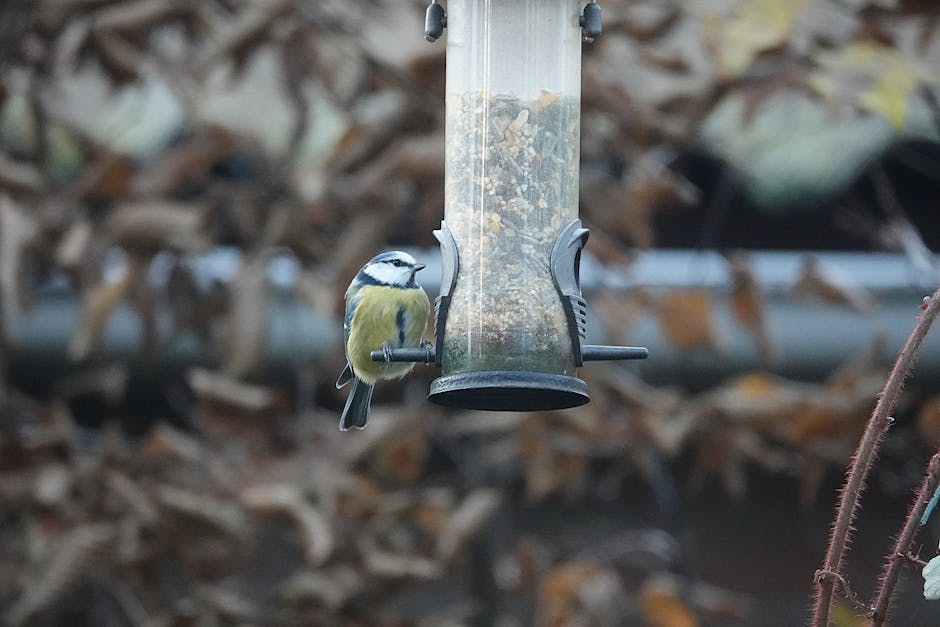
For more on setting up a complete feeding station, the Bird Feeders & Baths section has coverage of pole systems, baffle options, and species-specific feeder choices.
Frequently Asked Questions
How do I get the suction cups to stay on my window?
Clean the glass first with rubbing alcohol or white vinegar, not just water. Wipe the suction cup itself clean and press it firmly against the glass, center first then edges, with the glass at or above room temperature if possible. Cold glass reduces adhesion significantly. Mounting in direct sun on a warm day gives the best initial seal. Do not mount on textured glass or windows with an external coating.
How long will birds take to find a new window feeder?
Expect one to two weeks before regular visits, sometimes longer. Birds are cautious about new feeding locations, especially at windows. If you have an existing pole feeder nearby, the transition is faster because the birds are already comfortable in that airspace. Chickadees and house finches are typically the first to adopt new feeders. Sparrows and nuthatches follow.
Can I put a suction cup feeder on a double-pane window?
Yes. Double-pane windows are smooth enough for suction cup mounting. The main variables are how clean the glass is before mounting and whether the outer pane gets direct sun (which can warm the glass and soften the seal in extreme heat). Most quality suction cups handle double-pane glass without issue. Avoid low-e coated glass if possible, as the coating can reduce adhesion.
Do I need to use red dye in hummingbird nectar?
No. Red dye in nectar is unnecessary and potentially harmful to hummingbirds. A red feeder provides enough visual attraction on its own. Use a simple mix of one part plain white sugar to four parts water, boiled briefly to dissolve the sugar and slow fermentation. Honey, brown sugar, and artificial sweeteners are all problematic for hummingbirds and should be avoided.
How do I stop squirrels from getting into pole-mounted bird feeders?
A pole-mounted wrap baffle, mounted at least four feet above the ground on a smooth metal pole, stops the majority of squirrels from climbing up. A dome baffle above the feeder stops squirrels that might jump from above if there are overhanging branches within about ten feet horizontally. Weight-activated feeders like the Squirrel Buster Plus add a second layer of deterrence if squirrels do reach the feeder. Using both a baffle and a weight-activated feeder is the most
Nature's Hangout Window Bird Feeder with Strong Suction Cups and Seed Tray
- Clear acrylic mounting brings birds within inches of indoor viewers , best close-up wildlife experience
- Large capacity (4+ cups) handles multiple species simultaneously
- Birds may take days or weeks to discover and trust a window-mounted feeder
Droll Yankees Classic Sunflower Seed Bird Feeder, 20-Inch
- Ring Pull Advantage lid removes with one hand for fast, mess-free refilling
- Six feeding stations accommodate multiple bird species simultaneously
- No squirrel deterrent , needs a baffle pole or dome purchased separately
Squirrel Buster Plus Bird Feeder with Cardinal Ring
- Passive weight-activated cage closes seed ports when squirrels grab on , no batteries needed
- 5.1 lb capacity with 6 feeding ports; cardinal ring accommodates larger birds
- More involved cleaning than simple tray feeders

Droll Yankees Yankee Flipper Squirrel-Proof Bird Feeder
- Weight-activated motor spins the perch when a squirrel lands , reliably deters them
- 5 lb seed capacity; wide seed tube fits sunflower and mixed seed
- Requires charging , dead battery means squirrels have free access
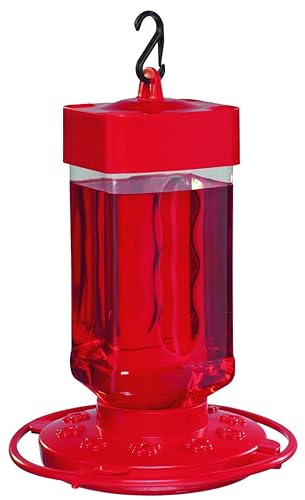
First Nature 3055 32-oz Hummingbird Feeder, Red
- Wide-mouth base unscrews completely for easy cleaning , the biggest hummingbird feeder frustration solved
- 10 feeding ports accommodate multiple hummingbirds simultaneously during peak migration
- 32 oz capacity requires frequent cleaning in summer heat , nectar ferments in 3-5 days