Bird Bath Pedestals: Durable Options That Last

Affiliate disclosure: Some links on this page are affiliate links. If you buy through them we earn a small commission at no extra cost to you. This never influences which products we recommend — we only suggest things we'd buy ourselves. Product prices and availability are accurate as of the date published and are subject to change. Always check Amazon for current pricing before purchasing. Learn more.
Quick Picks

Alpine Corporation 35" Tall 3-Tier Pedestal Birdbath, Green
Classic tiered fountain design catches overflow in lower basins , birds use all levels
Check Price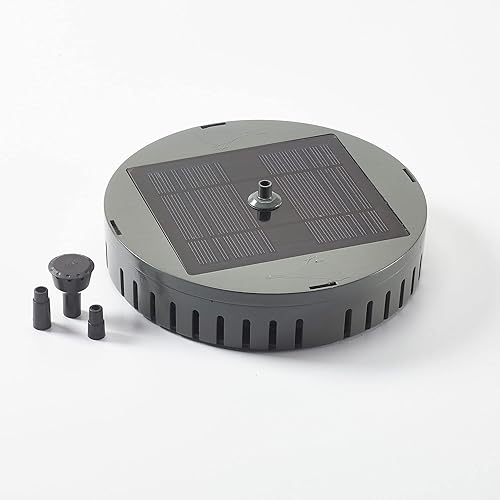
Smart Living Smart Solar AquaNura Bubbler Birdbath, Grey
Solar-powered pump runs all day in sunlight with no wiring or electricity costs
Check Price
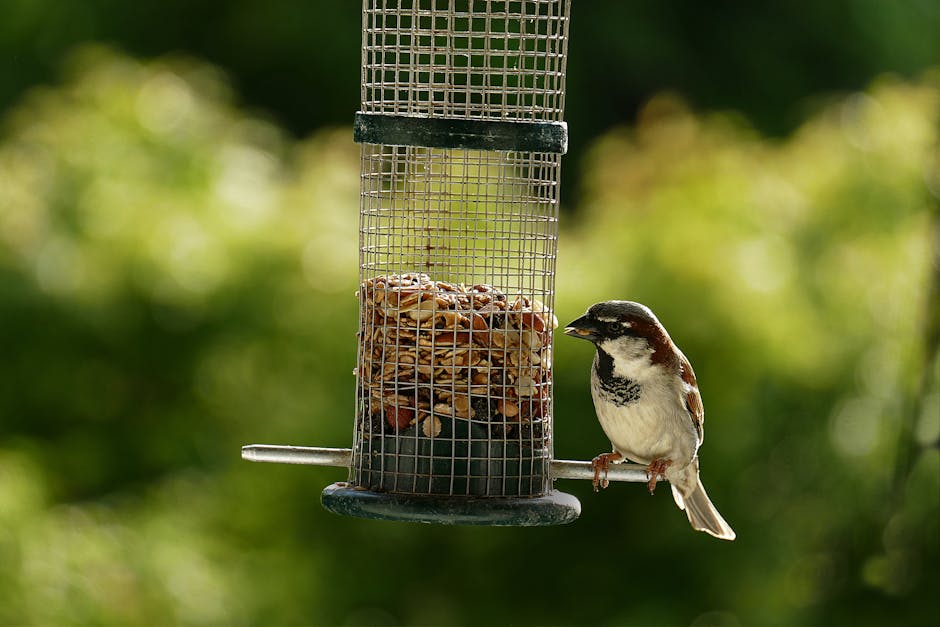
Droll Yankees Classic Sunflower Seed Bird Feeder, 20-Inch
Ring Pull Advantage lid removes with one hand for fast, mess-free refilling
Check Price| Product | Price Range | Top Strength | Key Weakness | Buy |
|---|---|---|---|---|
| Alpine Corporation 35" Tall 3-Tier Pedestal Birdbath, Green best overall | $ | Classic tiered fountain design catches overflow in lower basins , birds use all levels | Resin can fade or become brittle after several years of direct UV exposure | Check Price |
| Smart Living Smart Solar AquaNura Bubbler Birdbath, Grey also consider | $$ | Solar-powered pump runs all day in sunlight with no wiring or electricity costs | Pump stops when sunlight is insufficient | Check Price |
| Droll Yankees Classic Sunflower Seed Bird Feeder, 20-Inch also consider | $ | Ring Pull Advantage lid removes with one hand for fast, mess-free refilling | No squirrel deterrent , needs a baffle pole or dome purchased separately | Check Price |
| First Nature 3055 32-oz Hummingbird Feeder, Red also consider | $ | Wide-mouth base unscrews completely for easy cleaning , the biggest hummingbird feeder frustration solved | 32 oz capacity requires frequent cleaning in summer heat , nectar ferments in 3-5 days | Check Price |
| Nature's Hangout Window Bird Feeder with Strong Suction Cups and Seed Tray also consider | $ | Clear acrylic mounting brings birds within inches of indoor viewers , best close-up wildlife experience | Birds may take days or weeks to discover and trust a window-mounted feeder | Check Price |
A pedestal bird bath is one of the more straightforward purchases in the garden, until you start reading product listings and realize half of them are made from materials that won’t survive a second winter, and the other half weigh as much as a garden bench. I’ve gone through several on my property in Litchfield County over the years, including one expensive cast concrete number that cracked clean through after two freeze-thaw cycles and now lives in pieces behind the potting shed as a cautionary tale.
This roundup focuses specifically on pedestal bird bath options, with honest notes on what each actually delivers. A few related products have made their way in where they’re genuinely useful context. If you’re building out a fuller backyard wildlife setup, the Bird Feeders & Baths hub has broader coverage of what pairs well with a bath.
Top Picks
Alpine Corporation 35” Tall 3-Tier Pedestal Birdbath
Alpine Corporation 35” Tall 3-Tier Pedestal Birdbath, Green
Pros.
- Classic tiered design means overflow from the top basin catches in the lower ones. Birds use all three levels.
- Resin construction keeps the weight manageable. My old cast concrete bath required two people and a hand truck to move six inches.
- The 35-inch height puts water above typical ground-level predator range.
Cons.
- Resin will fade and can become brittle after a few years of direct UV exposure. Plan to replace it eventually, not repair it.
- No pump. The water is static. Static water is better than nothing, but it’s a significant limitation I’ll address below.
My assessment. This runs around $45 to $55 on Amazon at time of writing, which makes it the most accessible entry point in the pedestal category. The tiered design is genuinely functional rather than just decorative: water cascades between basins when you fill from the top, which creates brief movement that attracts birds better than a single flat bowl sitting still. Don’t mistake this for a fountain, though. Once you stop pouring, the water stops moving.
The resin durability issue is real. In a climate with hard winters and sustained UV summers, you’ll probably get three to five years before the color washes out and the material starts showing surface stress. For the price, that’s an acceptable lifespan. For comparison, the materials-grade difference between this and a ceramic or cast aluminum pedestal in the $180 to $220 range is significant.
The strongest argument for this bath is the 35-inch height. Ground-level dishes and low decorative baths position bathing birds in easy reach of cats and low-cover predators. This doesn’t.
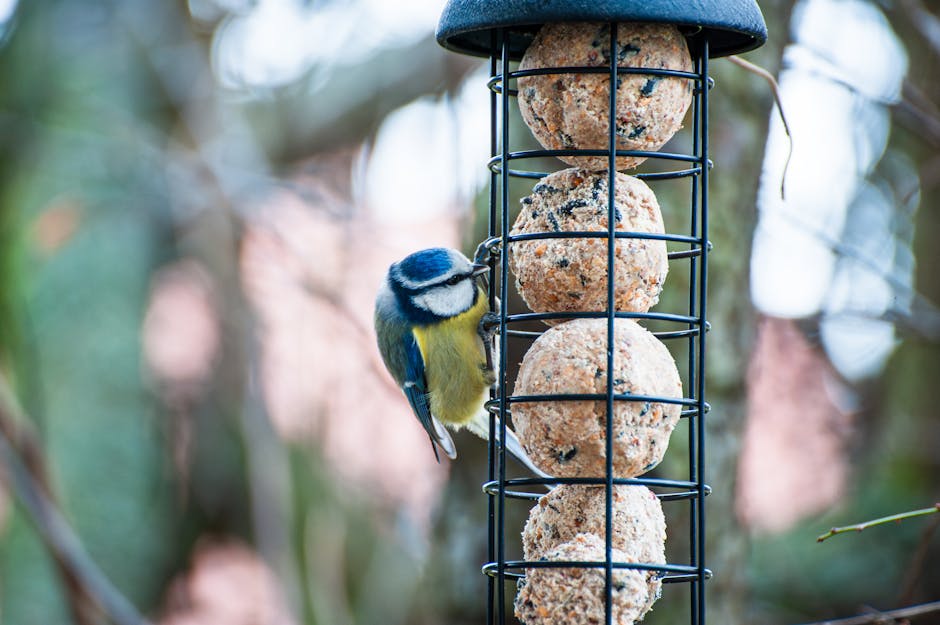
What this bath needs to perform at its best is a solar bubbler added to the top basin. The Smart Solar AquaNura Bubbler Birdbath (covered separately below) sits neatly into a basin like this one and adds moving water without any wiring. Moving water attracts meaningfully more bird activity than static. I’d estimate three to four times the daily traffic during migration season based on my own observation. (I realize that’s not a controlled study, but it’s what I’ve watched from my kitchen window for three years running.)
Best for. First pedestal bath, smaller budgets, anyone who wants classic garden aesthetics without a major commitment.
,
Smart Solar AquaNura Bubbler Birdbath
Smart Solar AquaNura Bubbler Birdbath, gray
Pros.
- Solar-powered pump. No wiring, no operating cost, no extension cord crossing your lawn.
- Two fountain heads included: a 360-degree spray pattern and a simple bubbler.
- The moving water element is the single most effective thing you can add to any bird bath setup.
Cons.
- Pump output depends entirely on direct sunlight. Overcast days mean minimal or no movement.
- The basin diameter is 9 inches. That’s small.
Important clarification. This is not a complete pedestal bird bath. It’s a solar-powered basin and pump unit that either sits inside an existing bath bowl or sits directly on the ground as a standalone shallow dish. The product listings can obscure this. If you buy this expecting a full pedestal setup, you will be disappointed. Buy it as an add-on to the Alpine Corporation bath above, or to any existing basin with a reasonable depth, and it earns its price immediately.
The unit currently runs around $35 to $45. For that, you’re getting a functional solar pump, two interchangeable spray heads, and a shallow gray basin. The pump is quiet, which matters if the bath is near a seating area. The bubbler head in particular creates the gentle water-surface movement that birds respond to most consistently.
The sunlight dependency is a genuine limitation, not a minor footnote. A bath positioned under even light tree canopy will see the pump stall regularly. Position this where it gets four or more hours of direct daily sun. In practice, that means thinking through bath placement before you buy, not after.
,
Droll Yankees Classic Sunflower Seed Bird Feeder
Droll Yankees Classic Sunflower Seed Bird Feeder, 20-Inch
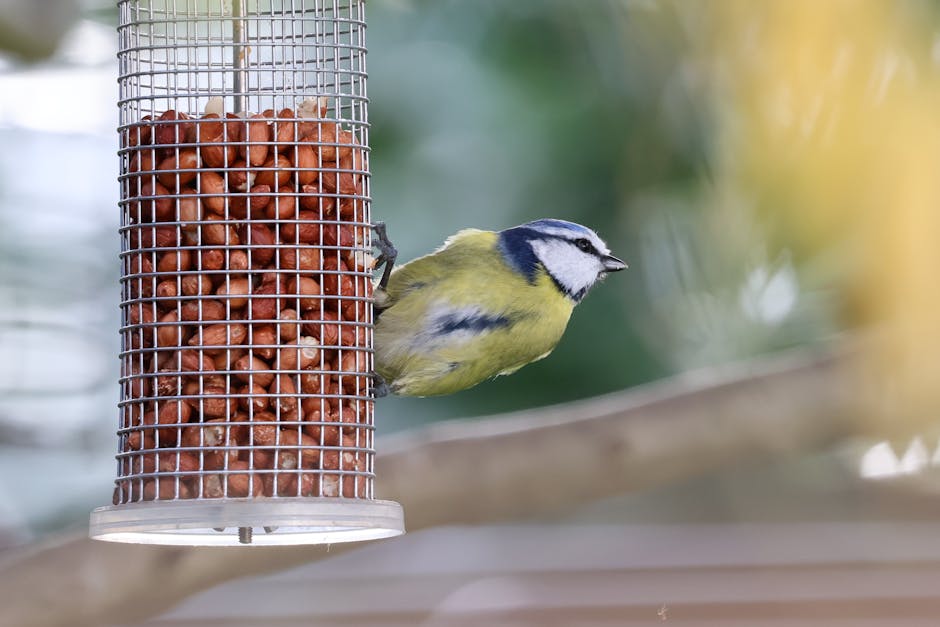
A note on inclusion. This is a bird feeder, not a pedestal bath, and I’m including it because most people setting up a pedestal bath are also setting up a feeding station nearby, and the combination question comes up constantly. A bath without nearby food source tends to see lower overall bird activity than one positioned as part of a broader feeding area.
Pros.
- The Ring Pull lid comes off with one hand. That sounds minor until you’ve wrestled with a feeder lid in January wearing gloves.
- Six feeding ports. Cardinal, chickadee, nuthatch, and finch can all feed simultaneously without displacement.
- UV-stabilized polycarbonate tube. Droll Yankees’ American-made construction shows in material quality; this won’t cloud or crack the way cheaper tubes do.
Cons.
- No squirrel deterrent built in. You need a baffle pole separately. My recommendation is to get a bird feeder pole with squirrel baffle before the squirrels figure out where the new feeder lives, not after.
- One-pound seed capacity. During active migration weeks, I’m refilling every two days.
My assessment. Droll Yankees offers a lifetime guarantee, which is not common in this category and is worth factoring into a price comparison. The feeder currently lists around $25 to $35. Over a five-year span against a $12 import that needs replacing annually, the math tilts toward Droll Yankees fairly quickly.
If you’re deciding how to position a feeder relative to a new pedestal bath, keep 10 to 15 feet between them. Birds feeding tend to scatter hulls and create debris. You don’t want that falling into your bath water.
,
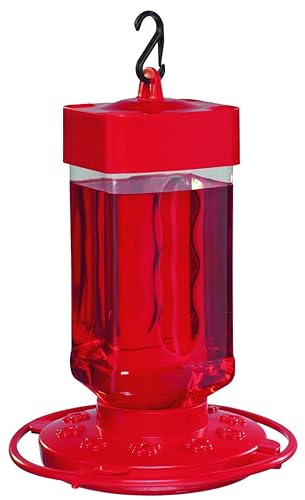
First Nature 3055 32-oz Hummingbird Feeder
First Nature 3055 32-oz Hummingbird Feeder, Red
Pros.
- The wide-mouth base unscrews completely for cleaning. This is the design decision that matters most in a hummingbird feeder.
- Ten feeding ports. During peak late-summer migration, congestion at the feeder drops noticeably.
- Red construction means no red dye in your nectar, which matters for hummingbird health.
Cons.
- 32 ounces requires cleaning every three to five days in hot weather, not because it empties but because the nectar ferments. Old nectar is the primary reason hummingbirds stop visiting a feeder. Budget time accordingly.
- Plastic rather than glass. Functional, but you’ll know the difference when you’re holding it.
My assessment. This runs around $9 to $12, which makes it the most price-accessible option in the roundup. Easy cleaning is the genuine differentiator here, and it’s the right differentiator: the number-one hummingbird feeder problem isn’t attractiveness, it’s maintenance failure. A beautiful glass feeder with a narrow neck that takes 20 minutes to clean properly will get cleaned less often. This one gets cleaned properly because the process takes three minutes.
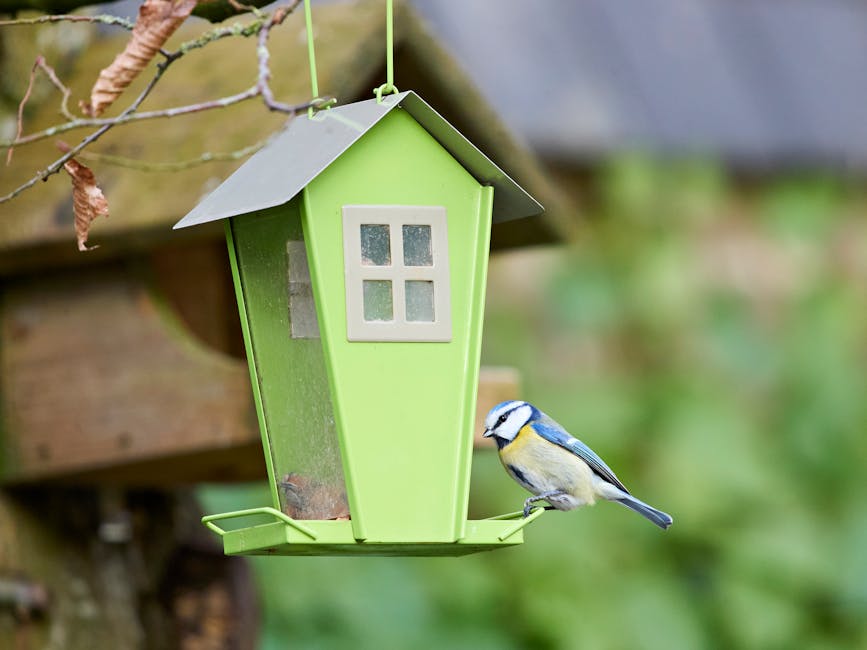
Hummingbirds visit bath areas too, particularly misters and shallow moving water, so if you’re positioning a pedestal bath and a hummingbird feeder together, site them within visual range of each other. Hummingbirds are territorial and will often spend time surveying from a perch between feeder visits.
,
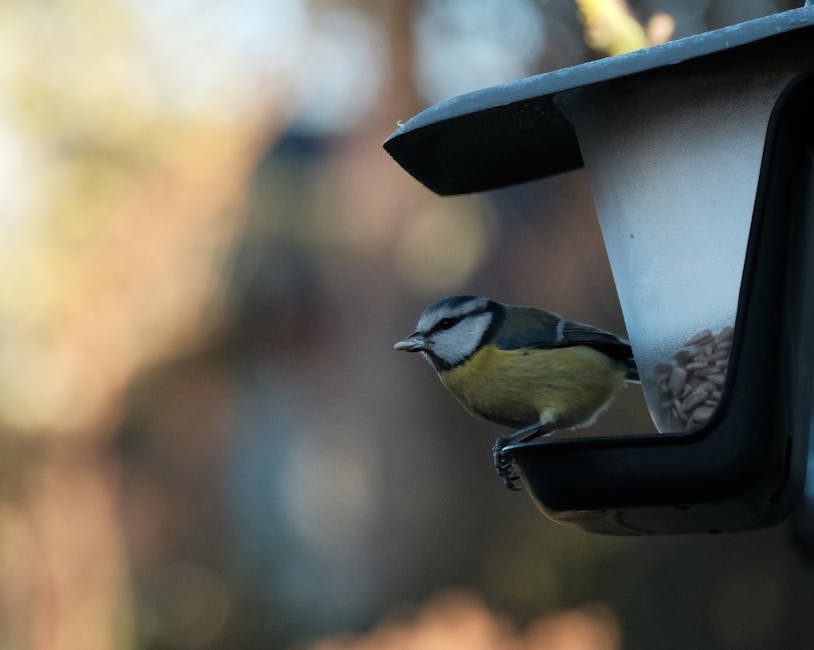
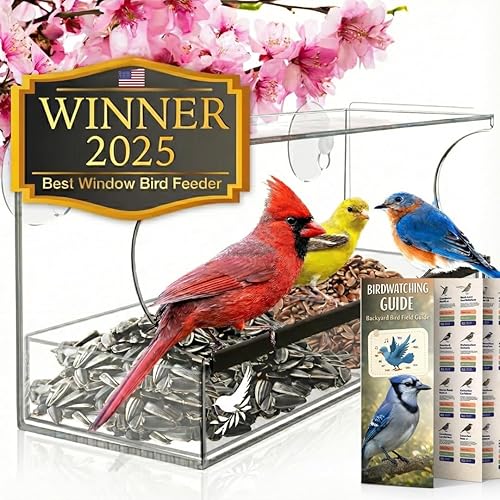
Nature’s Hangout Window Bird Feeder
Nature’s Hangout Window Bird Feeder with Strong Suction Cups and Seed Tray
Pros.
- Clear acrylic construction puts birds within inches of the glass. Nothing else in this roundup offers that viewing proximity.
- Capacity holds over four cups of seed, which is reasonable for a mounted feeder.
- Suction cups hold reliably for 12-plus months without repositioning, which the product claims and which tracks with my experience with suction-mounted hardware in general.
Cons.
- Birds may take one to three weeks to discover and trust a window-mounted feeder. Patience required upfront.
- Cleaning means removing it from the window. More involved than a pole-mounted feeder, though not difficult.
My assessment. This feeder doesn’t have an obvious connection to pedestal bird baths, but it answers a different question: what if you have limited outdoor space, or you want the viewing experience of birds close up rather than at the 20-foot distance a yard bath provides? For a reader with a deck or balcony but no room for a full pedestal bath setup, a window feeder plus a suction-cup mounted shallow dish covers the same territory differently.
The window feeder currently runs around $30 to $35. If you’re also exploring suction-cup options, our suction cup window bird feeder guide covers that category in more depth. For anyone with a deck setup rather than a dedicated garden area, the bird feeder for deck article covers mounting and placement options that apply here.
,
Buying Guide
What to Look for in a Pedestal Bird Bath
Material durability comes first. Resin and poly-resin are the most common materials in the under-$80 range. They’re lightweight and frost-resistant, but UV exposure degrades them over time. Cast aluminum lasts longer and looks better as it ages. Ceramic and glazed pottery hold water well but require strict winterizing in climates with hard freezes: leave water in a ceramic bath in November and you may find it cracked by February.
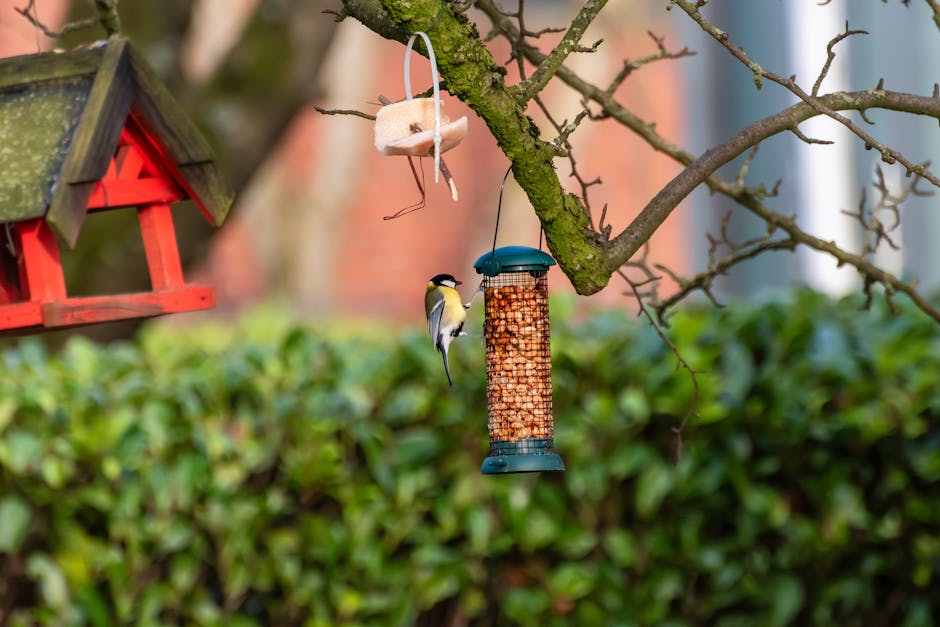
Height matters more than most listings emphasize. Ground-level baths are accessible to cats and other low-cover predators. A 30- to 36-inch pedestal puts the water surface high enough to give bathing birds visual clearance of most ground-based threats. Birds also seem to prefer elevated water sources over ground dishes, likely for the same reason.
Basin depth and diameter. Birds want water that’s 1 to 2 inches deep. A basin deeper than 3 inches will be ignored by most small birds, or they’ll crowd the shallow rim and miss the deeper center. Basin diameter of 18 to 24 inches accommodates multiple birds. If a listing doesn’t specify basin dimensions, that’s a gap in the product information worth noting.
Static vs. moving water. This is the biggest functional variable. Moving water attracts more birds, keeps cleaner by discouraging mosquito breeding, and is audible, which draws birds from farther away. If you’re buying a static-water pedestal bath, plan for a solar bubbler add-on from the start.
Winterizing Your Pedestal Bath
If you’re in a region with hard winters, the question of what to do with a pedestal bath between November and March matters. For resin baths, you can leave them out but remove the basin or flip it upside down to prevent water accumulation and freeze-crack risk. For ceramic, bring the basin indoors or the freeze-thaw cycle will crack it within a season or two.
Heated birdbath elements exist and are worth considering if you want to maintain year-round water access, which many birds need during stretches of frozen ground cover. These are separate accessories, typically $30 to $50, that sit in the basin and thermostatically maintain water above freezing.
Placement
Position the bath where birds using nearby feeders will see it easily, but allow five to ten feet of open space around it so birds can spot approaching threats. Avoid placing directly under a feeder where falling seed and hulls will foul the water daily.
For anyone expanding from a bath into a fuller wildlife station, the Bird Feeders & Baths section covers feeder combinations, pole systems, and squirrel management in detail. On the squirrel question specifically: if your pedestal is near a feeder pole, a bird feeder baffle for squirrels on the pole is not optional in most suburban or semi-rural settings.
,
Frequently Asked Questions
What is the best material for a pedestal bird bath?
Cast aluminum and high-grade poly-resin are the most practical choices for most buyers. Cast aluminum is durable across all seasons, doesn’t require winterizing beyond emptying the basin, and weathers well over years. Poly-resin is lighter and less expensive but will eventually fade under prolonged UV exposure. Ceramic and concrete look better initially but are vulnerable to freeze-thaw cracking unless you’re committed to bringing them in or fully drying them before first frost.
How deep should a bird bath basin be?
Between 1 and 2 inches is the functional range for most songbirds. Deeper than 3 inches and smaller birds won’t use the center of the basin. If you buy a bath with a deeper bowl, add flat stones to create a shallow wading area. The diameter matters too: 18 inches is a reasonable minimum for a pedestal bath that accommodates multiple birds at once.
Do I need a solar pump for a pedestal bird bath?
You don’t need one, but the difference in bird traffic is substantial. Moving water attracts birds that static water won’t pull in, especially during migration. It also prevents mosquito breeding, which in warm months is a real concern with any standing water. A solar bubbler like the Smart Solar AquaNura costs around $35 to $45 and installs without wiring. If you’re buying a static bath, budget for one at the same time.
How often should I clean a pedestal bird bath?
Every two to three days in warm weather, once a week minimum in cooler months. Algae builds up faster than most people expect, and a bath with green-coated walls gets abandoned quickly. Empty the water, scrub with a stiff brush and diluted white vinegar (about 1 part vinegar to 9 parts water), rinse thoroughly, and refill. Avoid bleach near bird-contact surfaces.
Can a pedestal bird bath survive winter outdoors?
Resin and poly-resin pedestal baths generally can, with some precautions. Remove or flip the basin to prevent water pooling and freezing in the bowl. The pedestal itself is usually fine. Ceramic and concrete basins should be stored indoors or expect cracking within a season or two in climates with sustained freezing temperatures. If you want year-round bird access to water, a thermostatically controlled basin heater (around $30 to $50) keeps the water from freezing without running continuously.
Alpine Corporation 35" Tall 3-Tier Pedestal Birdbath, Green
- Classic tiered fountain design catches overflow in lower basins , birds use all levels
- Resin construction is lightweight and frost-resistant vs heavy cast concrete alternatives
- Resin can fade or become brittle after several years of direct UV exposure
Smart Solar AquaNura Bubbler Birdbath, Grey
- Solar-powered pump runs all day in sunlight with no wiring or electricity costs
- Moving water attracts birds more effectively than static baths
- Pump stops when sunlight is insufficient
Droll Yankees Classic Sunflower Seed Bird Feeder, 20-Inch
- Ring Pull Advantage lid removes with one hand for fast, mess-free refilling
- Six feeding stations accommodate multiple bird species simultaneously
- No squirrel deterrent , needs a baffle pole or dome purchased separately
First Nature 3055 32-oz Hummingbird Feeder, Red
- Wide-mouth base unscrews completely for easy cleaning , the biggest hummingbird feeder frustration solved
- 10 feeding ports accommodate multiple hummingbirds simultaneously during peak migration
- 32 oz capacity requires frequent cleaning in summer heat , nectar ferments in 3-5 days
Nature's Hangout Window Bird Feeder with Strong Suction Cups and Seed Tray
- Clear acrylic mounting brings birds within inches of indoor viewers , best close-up wildlife experience
- Large capacity (4+ cups) handles multiple species simultaneously
- Birds may take days or weeks to discover and trust a window-mounted feeder