Building a Garden Shed From Pallets: Realistic Guide

Affiliate disclosure: Some links on this page are affiliate links. If you buy through them we earn a small commission at no extra cost to you. This never influences which products we recommend — we only suggest things we'd buy ourselves. Product prices and availability are accurate as of the date published and are subject to change. Always check Amazon for current pricing before purchasing. Learn more.
Quick Picks

Arrow Select 10' x 8' Steel Storage Shed, Charcoal
80 sq ft of storage handles a full complement of lawn and garden equipment
Check PricePallet sheds show up constantly on Pinterest and homesteading blogs, usually photographed in golden light with a Mason jar of wildflowers nearby. The reality is somewhat different. Pallets are free or cheap, yes, but they are also inconsistent in size, often contaminated, structurally variable, and prone to exactly the kind of rot and pest problems you’re trying to avoid when you build a garden shed in the first place. That doesn’t mean a pallet shed is a bad idea. It means you should go in with accurate expectations and a clear plan, not a mood board.
This article covers what building a garden shed from pallets actually involves, where the project tends to go wrong, and where a mid-range steel shed might be a better use of your weekend. If you’re researching the full range of storage and structure options for your property, the Greenhouses, Sheds & Gazebos hub is a good starting point.
What a Pallet Shed Actually Is
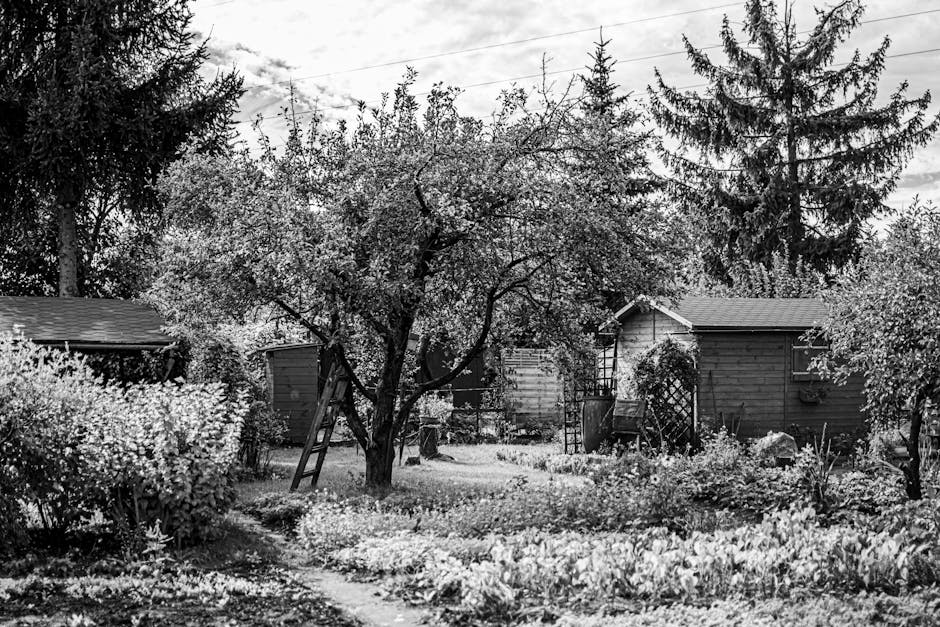
A pallet shed is a small storage structure built using reclaimed wooden shipping pallets as the primary wall material. The pallets are typically stood upright and secured to a base frame, then filled or clad with additional wood, plywood, or OSB to close the gaps. A roof is added using standard framing lumber and your choice of roofing material.
The appeal is obvious: pallets are often free from garden centers, hardware stores, lumber yards, and warehouses. A basic 8x8 shed footprint might require 12 to 16 standard 48x40 pallets for the walls alone, which sounds like a zero-cost build until you price out everything else. Roofing, fasteners, a treated lumber base, weatherproofing, and cladding can put you at $300 to $600 before you’ve touched a saw.
That said, the structure can work. I’ve seen well-built pallet sheds that have lasted eight or nine years. The key variables are pallet quality, base construction, and whether you take weatherproofing seriously from the start.
Why the Base Material Matters More Than People Expect
Pallets are not manufactured with outdoor longevity in mind. They are built to move goods through a supply chain, typically indoors. When you stand one upright in a yard, expose it to freeze-thaw cycles, wet springs, and summer humidity, you are asking a lot of a product that was never designed for it.
Pallet Grades and Treatment Codes
Before you collect a single pallet, learn to read the IPPC markings stamped on the wood. The two you care about are HT (heat treated) and MB (methyl bromide treated). Use only HT pallets. MB-treated pallets were fumigated with a pesticide that off-gasses and has no place in a structure you’ll work in regularly. DB (debarked) and KD (kiln dried) are also acceptable. If there’s no stamp, or the stamp is illegible, leave it.
Beyond treatment, inspect for structural integrity. Boards should be unbroken, the stringers (the thick horizontal runners) should be solid, and the pallet should lie flat without rocking. A warped pallet will give you a warped wall. Reject anything that smells of chemicals, shows staining from unknown spills, or has visible mold.
Why the Base Is Non-Negotiable
A pallet shed built on bare ground will fail within a few years regardless of how carefully you selected the pallets. Ground moisture wicks directly into the wood from below. The minimum acceptable base is pressure-treated 4x4 runners set on a gravel bed with good drainage, slightly elevated so air circulates beneath the structure. A concrete pad or deck blocks are better. Skipping this step is the single most common reason pallet sheds collapse before their time.
If you’re also thinking through foundation options for a more permanent structure, the flat roof garden shed article covers base and drainage considerations worth reading alongside this one.
Building a Pallet Shed: Step by Step
Step 1: Source and Vet Your Pallets
Collect more than you think you need. Pallets are not uniform. Standard GMA pallets are 48x40 inches, but you’ll encounter 42x42, 48x48, and various Euro sizes. Work with one consistent size if you can. Mixing dimensions makes wall alignment difficult and framing corrections annoying.
Plan for waste. In a batch of 20 pallets, count on 4 or 5 being too damaged or warped to use structurally. Keep those for internal shelving or blocking.
Step 2: Prepare the Foundation
Excavate the footprint to about 4 inches and fill with compacted gravel for drainage. Set your pressure-treated 4x4 or 6x6 runners on the gravel, check for level, and anchor them. This is not optional.
Step 3: Frame the Corners and Door Opening
Pallets need something to attach to at the corners or they’ll rack and separate. Cut 4x4 posts to your desired wall height (typically 7 to 8 feet) and set them at each corner. Your door opening needs a proper header, not two pallets with a gap between them.
Step 4: Stand and Secure the Walls
Stand pallets upright against the base frame and corner posts, face side out. Toe-screw through the pallet stringers into the base frame using 3-inch structural screws. Connect adjacent pallets to each other and to the corner posts. At this stage the structure will feel flimsy. That’s normal until the roof framing ties everything together.
Step 5: Close the Gaps and Add Cladding
Pallets have gaps. For a tool shed this is workable but not great. For year-round storage, fill the gaps with cut lumber or foam backer rod, then clad the exterior with T1-11 siding, rough-sawn boards, or OSB plus house wrap. Interior walls benefit from a vapor barrier stapled to the pallets before you add any insulation or cladding. If you’re planning to use the space in winter, see the insulated garden shed article before you close the walls.
Step 6: Frame and Roof
Standard gable or lean-to framing applies here. Use treated lumber for the top plate if possible. Attach roof trusses or rafters at 24 inches on center, sheathe with OSB, and apply 30-lb felt plus metal roofing or asphalt shingles. Metal roofing tends to perform better long-term on a structure that may move slightly with seasonal ground shift.
Step 7: Doors and Weatherproofing
Build or buy a door. A simple plywood Z-brace door is entirely adequate. Add a threshold, weatherstripping, and a hasp for a padlock. Caulk every seam, paint or stain all exterior wood surfaces, and plan to re-coat every two to three years.
Common Mistakes
Using unvetted pallets. Pulling pallets out of a dumpster without checking the treatment code is how you build a shed that off-gasses pesticides. Check every stamp.
Skipping or skimping on the base. I can’t say this plainly enough: ground contact kills pallet sheds. Elevate the structure and drain the ground beneath it.
No corner reinforcement. Pallets standing on their own will lean and separate. The corner posts aren’t decoration.
Underestimating the cladding cost. T1-11 siding runs roughly $40 to $55 per 4x8 sheet currently. An 8x8 shed with 7-foot walls needs around 10 sheets minimum, which is $400 to $550 in siding alone, before paint.
Ignoring interior condensation. Wood structures trap moisture. If you’re storing metal tools, fertilizers, or anything sensitive to humidity, ventilation is not a nice-to-have.
An Honest Alternative Worth Considering
If the labor calculation isn’t working out, or if you have concerns about pallet quality in your area, the Arrow Select 10’ x 8’ Steel Storage Shed is a mid-range option that addresses several of the problems pallet sheds create.
At around $680 to $750 currently on Amazon, it’s more upfront than a free-pallet build, but less than most people spend once they actually price out lumber, cladding, roofing, and hardware for a DIY project. The 80 square feet of storage handles a full complement of lawn equipment, including a riding mower if you configure the doors correctly. The electro-galvanized steel panels don’t rot, don’t attract termites, and don’t require painting. The reinforced corners resist wind racking reasonably well for a structure in this price range.
The cons are real. Steel walls condensate in humid summers, which means a ventilation kit is worth adding at purchase (around $20 to $30 extra). The floor kit is sold separately and most buyers miss this until they’re mid-assembly. Plan on $60 to $80 additional for a floor panel kit if you want a solid floor rather than setting it on gravel. Assembly for one person takes most of a day. (I’d plan for a full day and call it a win if you finish in six hours.)
It’s not a beautiful structure. If you want something that reads as part of the garden rather than adjacent to it, a steel shed is not that. But if your priority is durable, low-maintenance storage that doesn’t require repainting every three years, it’s a reasonable buy. Compare it to the Suncast Tremont or the Lifetime 60057 in the same footprint range, and the Arrow holds up on price-to-square-footage, though the Lifetime’s high-density polyethylene panels shed moisture better in particularly wet climates.
For further reading on how this type of structure fits into a broader property plan, the articles in our garden structures and outbuildings section cover options from greenhouse kits to screened gazebos.
Frequently Asked Questions
How many pallets do I need to build a small garden shed?
For an 8x8 shed with approximately 7-foot walls, plan on 16 to 20 pallets for the walls, assuming standard 48x40 GMA pallets. Add 4 to 6 for the floor platform if you go that route. Collect extras because you will reject some after inspection.
Is it safe to build a shed from pallets?
With HT-marked (heat treated) pallets, yes. The concern is MB-marked pallets, which were treated with methyl bromide, a fumigant. Never use these in a structure you occupy or store food-adjacent materials in. Check the IPPC stamp on every pallet before use.
How long will a pallet shed last?
Realistically, 5 to 10 years with proper base construction, cladding, and regular maintenance. Unclad, uncoated pallets sitting on bare ground might give you 3 years before structural failure. The base and weatherproofing determine the lifespan more than the pallets themselves.
Do I need a building permit to build a pallet shed?
In most jurisdictions, structures under a certain square footage (commonly 100 to 120 sq ft, though this varies significantly by municipality) don’t require a permit. Check with your local zoning or building department before starting. Some areas restrict all accessory structures regardless of size, and HOA rules are separate from municipal codes.
Can I insulate a pallet shed for year-round use?
Yes, and it’s worth doing if you plan to store anything temperature-sensitive or work in the shed during cold months. Rigid foam board cut to fit between pallet boards is the most practical approach. Before closing the walls, staple a vapor barrier to the interior face of the pallets. The insulated garden shed article covers this in more detail, including threshold R-values worth targeting for cold-weather storage.