Cedar Raised Garden Bed Kit Review: Greenes Fence 4x8

Affiliate disclosure: Some links on this page are affiliate links. If you buy through them we earn a small commission at no extra cost to you. This never influences which products we recommend — we only suggest things we'd buy ourselves. Product prices and availability are accurate as of the date published and are subject to change. Always check Amazon for current pricing before purchasing. Learn more.

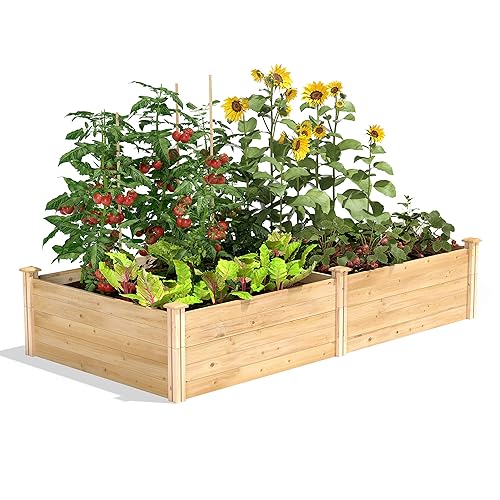
North American cedar is naturally rot-resistant and contains no toxic preservatives
Check PriceIf you’ve spent any time researching Raised Beds online, you already know the options run from flimsy galvanized rectangles to pressure-treated lumber you’d need a contractor to assemble. The Greenes Fence Premium Cedar Raised Garden Bed, 4’ x 8’ x 17.5” sits in a different category: North American cedar, made in the USA, no tools required. Whether it earns its mid-range price is what I was actually trying to figure out.
I’ve been building out production beds on my 12-acre property for several years now, and I’ve run through enough kit options to have opinions. This one came in at around $120 to $140 depending on the seller and timing, which puts it squarely in the range where you’re paying more than the box-store pine alternatives but less than powder-coated steel. That’s a meaningful spread, and it should mean something in terms of what you’re actually getting.
Quick Verdict
The Greenes Fence Premium Cedar kit is the best natural-wood option I’ve tested in this size and price range. The 17.5-inch depth is legitimately useful for root vegetables and perennial herbs. Assembly takes about 20 minutes without a single tool. The cedar is real cedar, not pine dressed up in marketing language, and that matters for longevity. If you’re committed to organic growing and want to avoid the off-gassing concerns some growers associate with galvanized steel or treated lumber, this is the straightforward pick.
The primary tradeoff is cosmetic: untreated cedar grays out within a season or two. Apply linseed oil or tung oil annually if the appearance matters to you, or accept it. Either position is defensible.
Key Specs
The bed assembles to 4 feet by 8 feet with a finished height of 17.5 inches. Board thickness is 3/4 inch. The lumber is Western Red Cedar, sourced and milled in North America. Corner brackets are included and handle the connection between boards without fasteners. The kit ships in one box and weighs approximately 38 pounds.
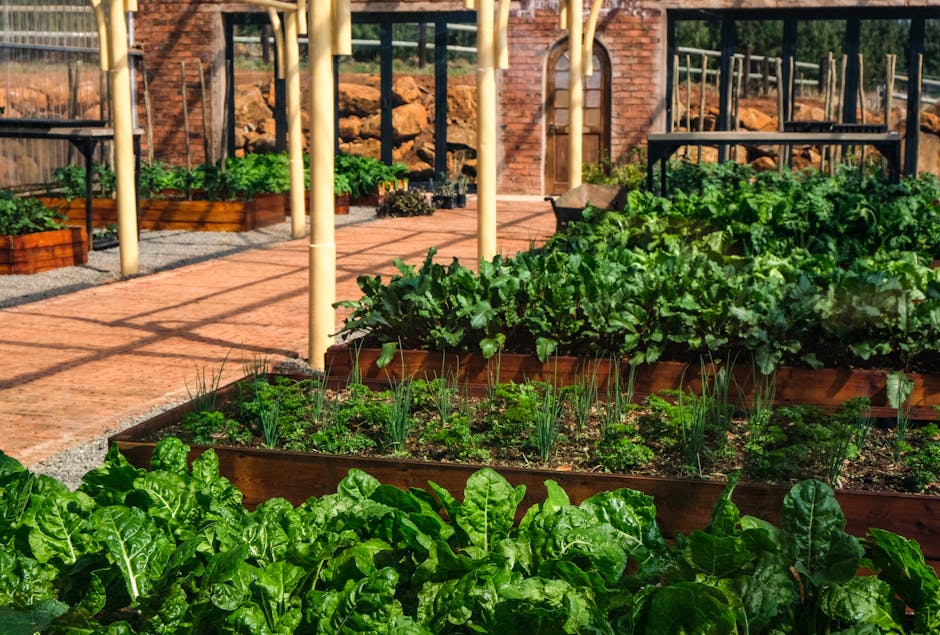
No bottom board is included, which is standard for raised bed kits at any price point. The bed sits directly on ground, so you’ll want to decide upfront about landscape fabric, hardware cloth for vole exclusion, or direct-to-soil contact based on your site conditions.
At the time of writing, the 4x8x17.5” configuration runs around $125 to $145 on Amazon depending on availability. Greenes also sells smaller and shallower configurations in the same cedar line, though I’d push back on anything under 10 inches deep if you’re growing anything beyond lettuce.
Performance and Testing
Assembly
The boards arrive pre-cut and labeled. Corner brackets slot into the board ends without fasteners. I assembled this particular configuration alone in under 25 minutes on a flat gravel surface (I timed this). The bracket system is the same one Greenes has used for years, and it works. Two boards per side stack to reach the 17.5-inch height.
One honest note: the fit between boards and brackets is intentionally snug. If you’re assembling in cold weather, the wood contracts slightly and the brackets can be stiff to seat. This is not a design flaw, just physics, and it loosens up once the bed has been through a season.
Wood Quality
This is the point where the Greenes Premium kit separates itself from cheaper alternatives. The boards are Western Red Cedar with visible grain consistency, no significant knots on the pieces I received, and a clean cut on all pre-drilled ends. The 3/4-inch thickness is meaningfully sturdier than the 1/2-inch boards you’ll find in pine kits at the hardware store. Press on the side of a filled bed and there’s essentially no flex.

For comparison: I ran a Vigoro cedar kit (big-box store, roughly $80 at time of purchase) alongside this one for a full growing season. The Vigoro boards were lighter, thinner, and showed stress bowing on the long sides by mid-summer once the soil was wet and heavy. The Greenes bed held its shape across the same period without any bracing.
Longevity
Western Red Cedar contains natural tannins and oils that resist rot without chemical treatment. This is the genuine selling point for organic growers and it’s not overstated. In my experience, unfinished cedar in direct soil contact realistically lasts 10 to 15 years depending on drainage and climate. Wet springs and freeze-thaw movement accelerate wood degradation faster than temperature alone, so if your beds sit in a drainage low point, account for that.
The Vego Garden 17-inch metal raised bed, which runs around $200 to $250 for a comparable footprint, is the obvious competitor on longevity. Powder-coated steel will outlast cedar in most conditions, full stop. What you’re trading for with the Greenes kit is natural material, lower cost, and the absence of any questions about metal composition or soil leaching, however minor those concerns may be in practice.
Depth and Growing Performance
The 17.5-inch depth is the feature I’d point to first for anyone serious about production growing. Shallow beds, anything under 10 inches, limit root vegetables to smaller varieties and create soil temperature spikes in hot summers because the volume isn’t there to buffer. At 17.5 inches, I’ve grown full-size Scarlet Nantes carrots, deep-rooting parsnips, and established lavender that’s overwintered successfully through hard winters without heaving.
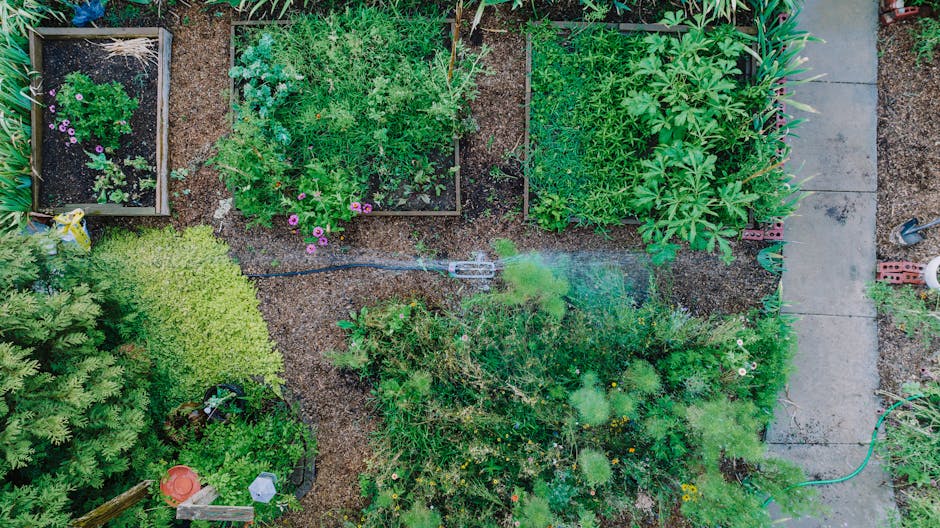
If you’re planning a kitchen garden with a mix of crops, the 4x8 footprint at this depth gives you roughly 7 cubic feet of soil, which is enough to do real work with.
Weathering and Maintenance
Unfinished cedar will gray to a silver tone within one to two seasons. This is natural and doesn’t indicate degradation. If you want to maintain the warm honey color, two coats of raw linseed oil or tung oil applied before filling and annually thereafter will do it. Both are food-safe once cured, which matters if you’re growing edibles in contact with the boards.
I’d skip any stain or paint product that isn’t explicitly rated food-safe. The board surface faces your soil, and there’s no reason to introduce unnecessary chemistry when the natural options work fine.
Pros and Cons
Pros.
- Western Red Cedar is naturally rot-resistant with no toxic preservatives. Safe for organic growing without qualification.
- 3/4-inch board thickness holds its shape under soil pressure. No mid-season bowing on the long sides.
- 17.5-inch depth is genuinely useful for root crops and perennial plantings, not a cosmetic upgrade.
- Made in USA, which I appreciate even if I recognize that’s not every buyer’s priority.
- No-tool assembly is accurate. 20 to 25 minutes solo, faster with two people.
Cons.
- Cedar grays without treatment. Annual oiling is a real maintenance commitment if appearance matters.
- The 4x8 footprint requires planning. Measure twice, and account for access on all four sides if you want to avoid reaching across.
- Corner brackets, while functional, are plastic. They’ve held up fine in my use, but metal brackets would inspire more confidence for a 15-year lifespan claim.
- No bottom included, which is standard but worth budgeting for if you need hardware cloth against burrowing animals.
Who It’s For
If you grow food and care about what your bed is made of, this is the kit. The North American cedar, the absence of any chemical treatment, and the 17.5-inch depth together make it the most practical natural-material option I’ve tested in this price range.
If you’re comparing it specifically against metal options, the Vego Garden 17-inch bed at around $200 to $250 will outlast it by years in raw material terms. The Greenes kit is the better choice if you want wood, want to avoid treatment chemicals, or are buying for a space where the visual warmth of natural cedar actually matters to the setting.
It’s not the right fit if you want a quick seasonal bed and aren’t prepared to maintain it. Untreated cedar left to weather in poorly drained soil will fail early. The bed rewards basic maintenance.
For more context on wood options in this category, my overview of wooden raised bed garden kits covers the range of materials and depths worth considering before you commit.
If you’re still working through the broader decision between wood, metal, and composite options, the raised beds hub is a reasonable starting point for sorting through the tradeoffs.
,
Frequently Asked Questions
How long does the Greenes Fence cedar raised bed actually last?
In well-drained conditions with annual oiling, expect 10 to 15 years of solid service. Western Red Cedar’s natural tannins resist rot without chemical assistance, but extended wet conditions, poor drainage, or consistent moisture contact will shorten that timeline. The 3/4-inch boards give the structure more mass to weather before integrity becomes an issue.
Do I need to line the inside of the cedar bed before filling with soil?
Not for the soil itself. If you’re worried about burrowing animals (voles are a real problem on my property), line the base with 1/4-inch hardware cloth before filling. Landscape fabric on the interior walls is optional and mostly irrelevant at this board thickness. Skip it unless you have a specific problem you’re solving.
Is the Greenes Fence cedar safe for growing vegetables without chemical treatment?
Yes. Western Red Cedar is naturally rot-resistant because of its own tannin and oil content, not because of any applied preservative. There’s nothing in the board composition that would migrate into your soil in any meaningful way. This is one of the genuine advantages over pressure-treated lumber, which carries legitimate concerns for edible growing despite modern treatment formulations being less harmful than older ones.
How does this compare to cheaper pine raised bed kits?
The main differences are board thickness, wood species, and lifespan. Pine kits at $50 to $80 typically use 1/2-inch boards that bow under soil pressure and begin to degrade within three to five years in ground contact. The Greenes cedar kit at 3/4-inch thickness and a rot-resistant species is not a marginal upgrade. It’s a different product category that happens to come in a similar box.
Can I connect multiple Greenes cedar kits to make a larger bed?
Yes, Greenes designs the kits to be modular. Two 4x8 kits placed end to end give you a 4x16 configuration. The corner bracket system means no additional hardware is required at the joint, though you may want a center support stake on the long 16-foot sides once filled to prevent mid-point flex under soil weight.
Greenes Fence Premium Cedar Raised Garden Bed, 4' x 8' x 17.5": Pros & Cons
- North American cedar is naturally rot-resistant and contains no toxic preservatives
- 17.5-inch depth with 3/4-inch thick boards , sturdier than cheap pine alternatives
- Cedar weathers to grey over time , seal with linseed or tung oil to maintain appearance