Robot Lawn Mower Garage: What to Know Before Buying

Affiliate disclosure: Some links on this page are affiliate links. If you buy through them we earn a small commission at no extra cost to you. This never influences which products we recommend — we only suggest things we'd buy ourselves. Product prices and availability are accurate as of the date published and are subject to change. Always check Amazon for current pricing before purchasing. Learn more.
If you’ve invested in a robot mower, you already know the first problem isn’t the cutting. It’s the charging, the weather exposure, and the slow degradation that comes from leaving a $1,500 piece of electronics sitting on wet grass through a Connecticut spring. A robot lawn mower garage solves all three of those problems at once, and yet most people buy one as an afterthought, if they buy one at all.
This article covers what to look for, what to avoid, and what I’d actually buy. If you’re building out a battery-powered outdoor setup more broadly, the Battery & Cordless Tools hub has context on how these products fit together.
What a Robot Lawn Mower Garage Actually Is
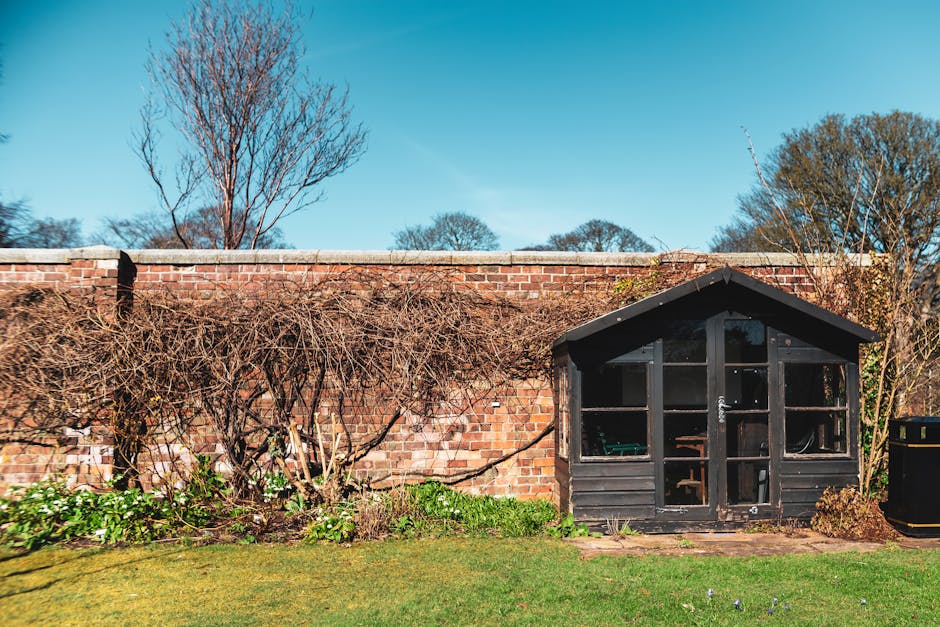
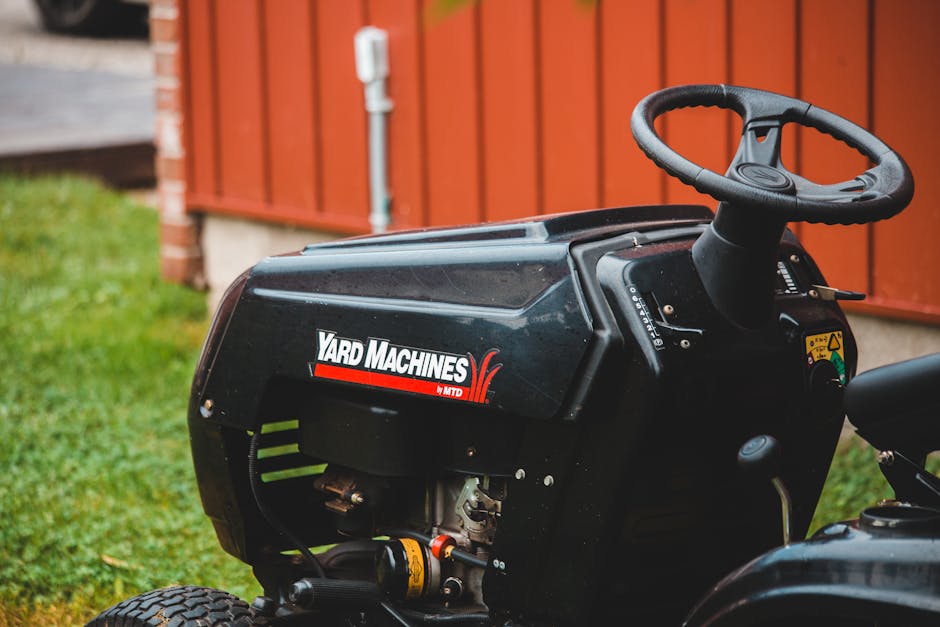
A robot mower garage is a covered shelter that houses your mower’s charging station and the mower itself when it’s docked or resting. The name is slightly misleading. This isn’t a building. It’s closer to a hutch or a docking enclosure, typically made from wood, polyethylene, or steel, designed to sit in your lawn near the mower’s perimeter wire and keep rain, UV, and debris off the unit.
Most models are open-fronted or have a low lip at the entry so the mower can roll in and out autonomously. Some are freestanding. Others anchor to the ground with stakes or screws. Better ones include a roof overhang of at least six inches on each side, ventilation to prevent condensation buildup inside, and a base that either elevates the charging station slightly or has drainage channels cut in.
The charging station for most robot mowers (Husqvarna Automower, Gardena, WORX Landroid, Mammotion, and similar) is not weatherproofed to the degree the mowers themselves are. The mower might be rated IPX5 or IPX4. The charging dock is often a lower rating or unrated entirely. That asymmetry is where garages earn their keep.

Why Housing Your Robot Mower Properly Matters
Left outdoors with no cover, a charging station collects water in the contact points, grows moss under the base plate, and eventually corrodes the connectors. I’ve seen this happen in a single season to a unit that was otherwise in good shape. The mower itself holds up reasonably well to rain, but direct afternoon sun accelerates plastic degradation faster than most people expect. The ABS housing on most budget mowers will start showing UV stress within two to three seasons without any shade protection.
There’s also the practical issue of scheduling. Most robot mowers are set to run at night or in early morning when the lawn is less trafficked. When the mower finishes a session and returns to dock, you don’t want that dock sitting exposed to overnight dew, frost heave in the fall, or standing water after heavy rain. A garage with a raised base platform keeps the station dry through all of that.
For anyone running 40V cordless equipment alongside a robot mower, the principle is the same: battery-powered tools last significantly longer when they aren’t cycling through extreme temperature swings repeatedly. A garage moderates that somewhat.
The cost argument is straightforward. A decent freestanding mower garage runs between $80 and $220 depending on material and size. If avoiding one premature replacement of a $1,200 to $2,500 robot mower is the outcome, the math writes itself.
How to Choose and Set Up a Robot Mower Garage
Step 1: Measure Before You Buy
This is where most people go wrong first. Robot mower garages are not universal. The clearance height, entry width, and interior depth vary significantly between models, and a garage that fits a Husqvarna Automower 430X will not necessarily fit a WORX Landroid L WR155 or a Mammotion LUBA 2 AWD. Measure your mower’s height, width, and the footprint of the charging station. Add at least two inches of clearance on each side. The mower needs to enter and exit without grinding against the frame.

Also measure the cable run from your nearest outdoor power outlet to the intended garage location. Most charging stations come with a cable in the eight to twelve foot range. If your garage placement puts you further than that, you’ll need an outdoor-rated extension, which adds a step but isn’t a dealbreaker.
Step 2: Evaluate the Material
Wood garages look good initially and are easy to customize, but untreated wood in a lawn environment absorbs moisture, warps, and eventually rots at the base. If you’re buying or building a wood unit, pressure-treated lumber for the base rails is non-negotiable. Cedar or teak for the body will hold up better than pine, though you’ll pay for it.
Polyethylene garages are lower maintenance and UV-stabilized on the better models. The Hartman Mow House is a well-regarded option in this category, currently around $140 to $160. It’s not pretty, but it’s functional and it holds up.
Steel garages are durable but need to be powder-coated, not just painted. Bare or thinly-coated steel in a lawn environment will rust at the anchor points within two seasons.
Step 3: Position Correctly
The charging station’s position relative to the perimeter wire matters for your mower’s navigation. Don’t move an established charging station to fit the garage without recalibrating or re-mapping the mower’s home zone. Most manufacturers recommend a specific clearance around the station (Husqvarna, for example, specifies at least two meters of clear wire on each side of the home position). A garage should sit around the station, not force you to relocate it.
Orient the garage entry facing away from prevailing wind and rain direction if possible. In most of the Northeast, that’s orienting away from the northwest. The roof overhang does most of the work, but entry orientation helps on sideways-rain days.
Step 4: Anchor and Level
A freestanding garage that shifts in wind or frost heave will cause the mower to miss the dock, which means a dead mower sitting in the yard waiting for someone to carry it back. Most plastic and wood garages come with ground stake provisions. Use them. In regions with hard winters, check the anchor points at the start of each season since freeze-thaw movement will shift them.
Level the base. A charging station that sits on a slant causes inconsistent docking contact, which translates to incomplete charges and confused scheduling.
Step 5: Cable Management
Thread the charging station cable out through the back or side of the garage rather than having it loop across the entry. If your garage doesn’t have a cable port, drill one. A 1-inch hole with a grommet keeps moisture out and gives you a clean run. Secure any exterior cable run with UV-rated cable clips stapled to the back of the garage or buried in a shallow conduit trench if you want a clean look.
Common Mistakes
Buying a “universal” garage without measuring. There’s no such thing as universal here. The clearance and footprint requirements between mower brands are different enough that “fits most mowers” on a product listing is a red flag, not a feature.
Skipping the anchor step because the garage feels stable. It will feel stable in August. By November, after the first frost, it won’t be. An unanchored garage that shifts three inches is enough to confuse the mower’s homing.
Placing the garage under a tree. Shade seems like a bonus. What you actually get is sap, bird droppings, falling debris, and in fall, a mower that gets confused by heavy leaf accumulation around the dock. Clear ground is better.
Using an indoor extension cord. If you need additional cable length from your outlet to the charging station, use an outdoor-rated, ground-fault protected extension. Indoor cords degrade quickly in wet grass contact and are a genuine fire hazard in that environment.
Treating the garage as a set-and-forget install. Check it twice a season. Clear debris from the roof, check the anchor points, inspect the cable entry for moisture intrusion, and clean the charging contacts on the station itself while you’re at it.
One point I’d add for anyone who runs multiple cordless tools across the same property: it’s worth treating the garage positioning as part of a broader equipment access plan, not just a mower-specific problem. The same section of the Battery & Cordless Tools hub covers storage and charging positioning for other outdoor power equipment if that context is useful.
Frequently Asked Questions
Do I actually need a garage for my robot mower, or is it optional?
For the mower itself, optional. For the charging station, I’d call it close to necessary in any climate with real rain or temperature swings. The charging dock on most consumer robot mowers is not built to the same weather tolerance as the mower. A garage that covers the dock pays for itself in extended connector life alone.

What’s a reasonable budget for a robot mower garage?
Functional plastic garages start around $80 to $100. A well-made polyethylene unit like the Hartman Mow House runs $140 to $160 currently. Solid wood custom-built options start around $200 and go up from there depending on materials. Anything under $80 tends to be thin-walled and UV-degraded within two seasons.
Can I build my own robot mower garage?
Yes, and it’s not complicated if you’re handy. The main requirements are a raised base (to keep the charging station off wet ground), at least a six-inch roof overhang on all sides, an entry clearance sized to your specific mower with two inches of margin, and a cable exit provision at the back. Pressure-treated base, cedar body, metal roof panel if you want longevity without maintenance.
Will any garage fit any robot mower?
No. Mower dimensions vary considerably between brands and even between models within the same brand. Husqvarna Automower units tend to be taller than WORX Landroid models. Mammotion’s larger AWD mowers are wider than most standard garages accommodate. Measure your specific mower before purchasing any enclosure.
Does a garage affect how the mower navigates back to the dock?
The garage itself doesn’t, as long as it’s positioned correctly around the existing charging station without moving it. If you relocate the station to accommodate the garage, you will need to remap or recalibrate the mower’s home position per your manufacturer’s instructions. Moving the station even a foot from its original position can require a full home zone recalibration on GPS-enabled models.