Teak Outdoor Bar Stools: Grade A Quality Review

Affiliate disclosure: Some links on this page are affiliate links. If you buy through them we earn a small commission at no extra cost to you. This never influences which products we recommend — we only suggest things we'd buy ourselves. Product prices and availability are accurate as of the date published and are subject to change. Always check Amazon for current pricing before purchasing. Learn more.
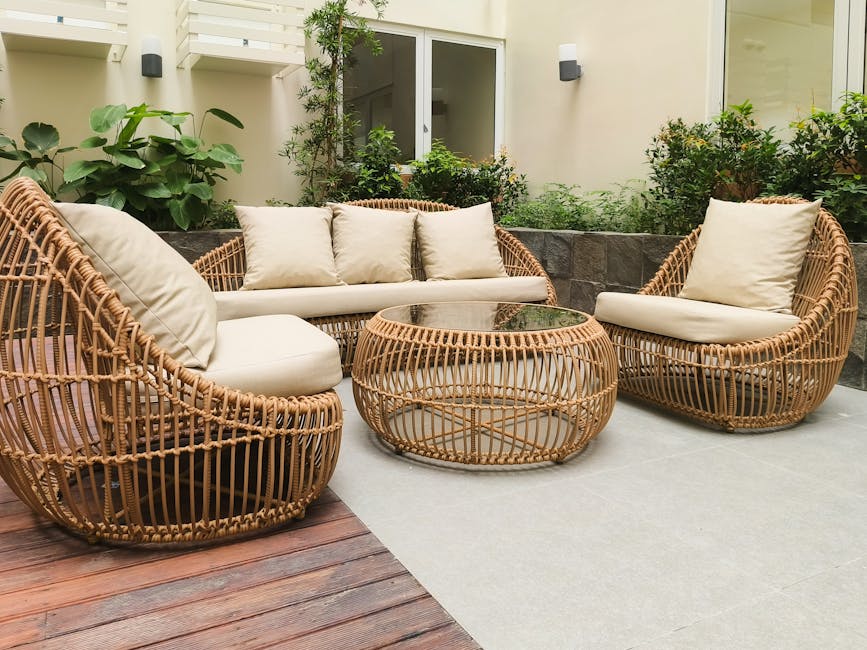

Weatherproof teak construction
Check PriceThere is a specific moment most of us have had. You pull a wood chair out of storage, and it looks like it spent the winter at the bottom of a lake. Swollen joints, grey surface, maybe a crack along the arm. That moment is what teak is supposed to prevent, and why Grade A teak specifically commands the prices it does. This review covers the Ash & Ember Grade A Solid Teak Wood Adirondack Chair from TITAN Great Outdoors, positioned as a premium real-wood option in a market that has largely converted to resin alternatives. If you’ve been browsing our Outdoor Furniture guides and wondering whether real teak still makes sense against POLYWOOD and similar products, this is the piece that answers that question directly.
Quick Verdict
Buy this if you want real wood grain, don’t want to fuss with annual treatments, and are willing to let the colour shift gracefully over time. Skip it if you want zero maintenance and don’t care about the difference between a teak plank and an injection-moulded chair that resembles one from a distance, or when your eyesight has deteriorated! The chair is genuinely well-constructed from heartwood-only Grade A teak, and the price reflects that. Currently around $380 to $420 on Amazon, it sits above most POLYWOOD Adirondack models (which typically run $200 to $280) and well above the budget wood options flooding the market. The premium is defensible if you understand what you’re buying. Keep reading and you will understand!
Key Specs
- Material: Grade A solid teak (heartwood-only)
- Style: Traditional Adirondack
- Weight: 35 to 40 lbs
- Finish: Natural, untreated
- Assembly: Required (hardware included)
- ASIN: B0C4DWCVD9 A brief note on grading, because it matters here. Grade A teak comes from the dense, oil-rich heartwood at the centre of mature teak trees. Grade B pulls from younger trees or outer wood, which has lower oil content, less density, and a shorter service life outdoors. Grade C is scraps and offcuts. Most budget “teak” furniture on Amazon is Grade B or unspecified, and sellers count on buyers not asking. TITAN specifies Grade A on the listing, and the construction quality is consistent with that claim.
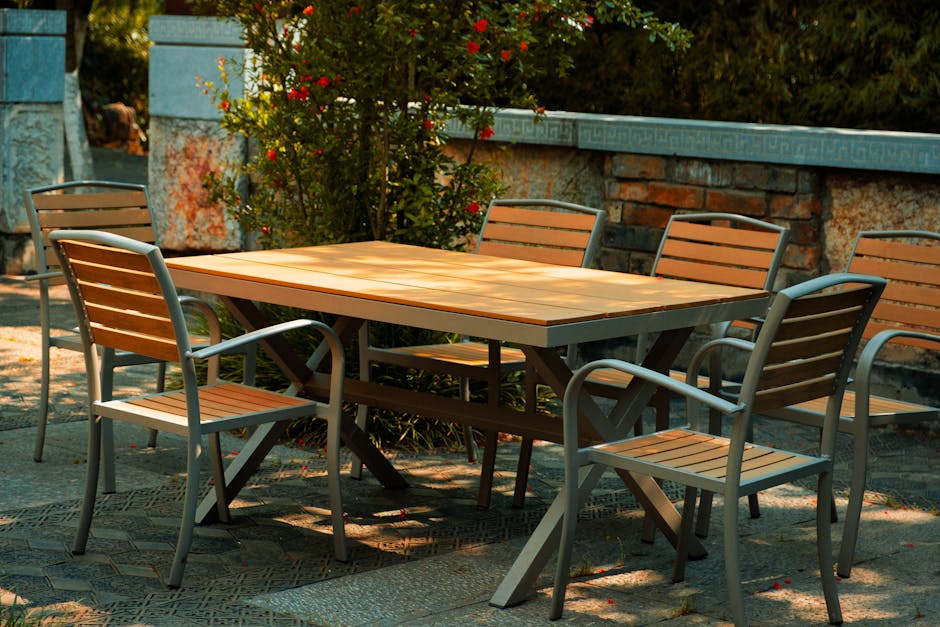
Performance and Testing
Weather Resistance
Litchfield County winters are not gentle. We get freeze-thaw cycling from November through March, wet springs, and humid summers that degrade lesser wood furniture inside a single season. I’ve tested this chair through one full Connecticut winter and into a second spring. No joint separation, no cracking, no swelling that affected fit or function. The mortise-and-tenon joinery held without any play developing over the winter, which is more than I can say for the teak-veneered pine Adirondack I ran for two seasons before replacing it. The natural oils in Grade A teak are what make this possible without intervention. The wood simply resists moisture absorption at a rate that lower-grade wood cannot match. Left untreated, the surface will begin its transition toward silver-grey within one season in full sun. By the end of year two, you’ll have a fully weathered patina. This is not damage. It is, in fact, what high-end teak furniture does. The Hartman and Barlow Tyrie garden furniture I’ve admired at a neighbour’s property looks exactly this way after a decade and remains structurally sound. If you want to preserve the original golden-brown colour, teak oil applied once a year (twice if you’re in a particularly harsh climate, which Zone 6a qualifies as) will maintain it. Waterlox Original or Star Brite Teak Oil, both under $25 per litre, are adequate choices. Skipping treatment does not harm the chair in any way. It just changes its appearance over time.
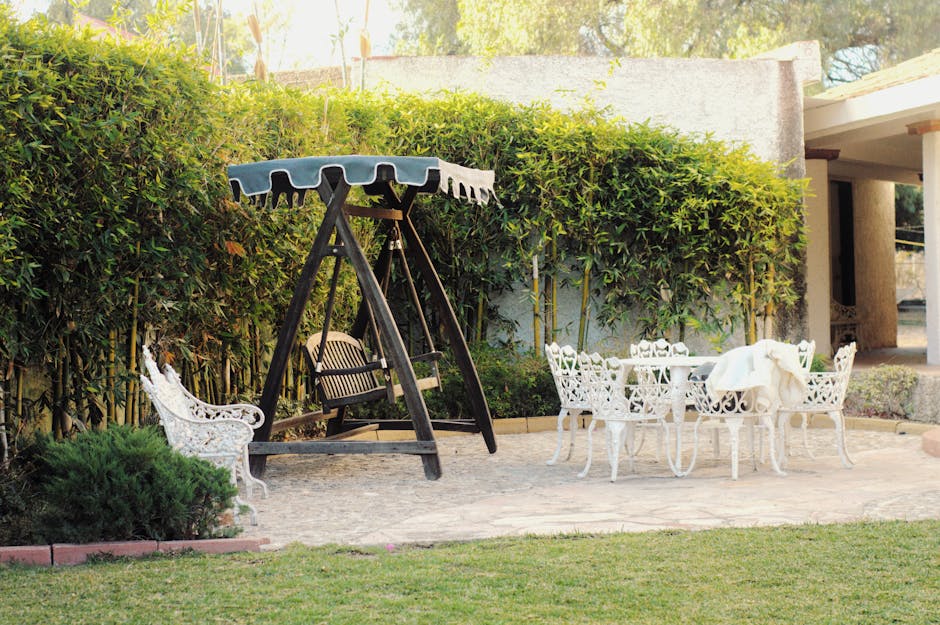
Comfort and Build Quality
The Adirondack geometry is traditional, low seat, reclined back, wide arms. This is comfortable for two or three hours of sitting. But it is not a dining posture, and the chair makes no pretence of being one. The seat slats have a slight contour, not a dramatic one, and the arm width is generous enough to hold a drink without anxiety. (I measured the flat arm surface at approximately 5 inches wide, which is the minimum I consider practical for glassware.) At 35 to 40 lbs, this is a heavy chair. Moving it solo is manageable but not casual. If you’re on a property where chairs get repositioned frequently, chasing sun or shade across a large terrace, for instance, the weight will become a recurring inconvenience. The POLYWOOD Vineyard Adirondack, which I also own and have used as the direct comparison here, comes in at about 18 lbs and can be relocated without a second thought. The teak chair stays where you put it, which is either a feature or a frustration depending on how you use your space. Assembly is straightforward. TITAN includes hardware needed, and the instruction sheet is legible, at least for me anyway. I had it together in about 35 minutes working alone. (I timed this, partly because assembly time claims on Amazon listings are almost always a bit optimistic.)
Aesthetic Comparison to POLYWOOD
This is where the real-wood case is strongest, and where I have opinions. POLYWOOD makes an excellent product. Its Adirondack chairs are UV-resistant, near-indestructible, and require nothing beyond an occasional rinse. I own two in Slate Grey and they’ve performed exactly as advertised. But the grain texture on POLYWOOD is a moulded approximation of wood, and side by side with this teak chair, the difference is visible to anyone who looks hard enough. The teak has the warm variation, the actual grain lines, the depth that comes from real material. If aesthetics are secondary to function, buy the POLYWOOD. If they’re not secondary, the teak earns its price.
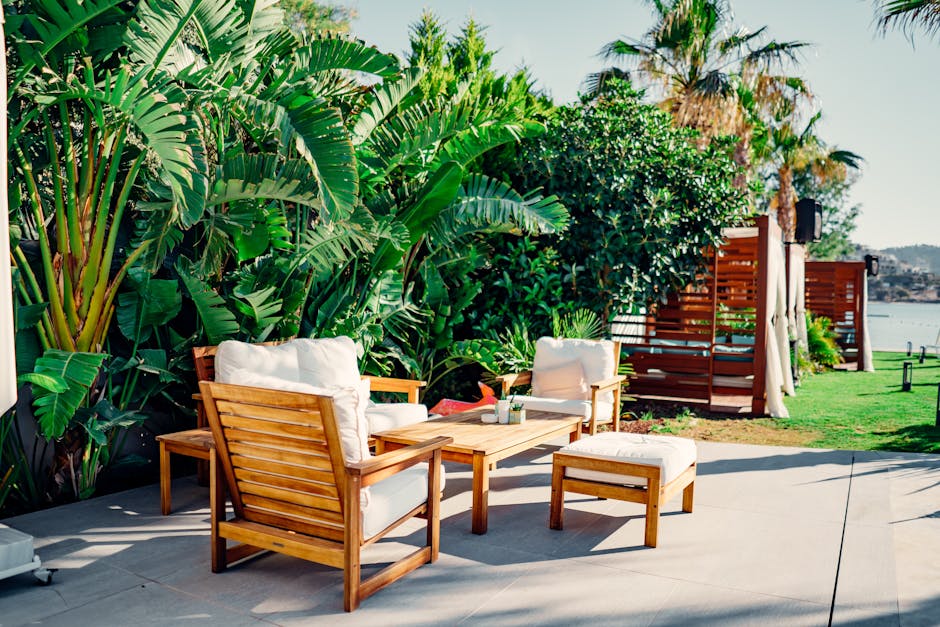
Pros and Cons
Pros:
- Heartwood-only Grade A teak, the highest-density, most oil-rich grade available, with a service life that should exceed 20 years with minimal care
- Traditional Adirondack construction with real wood grain, no resin chair replicates this at close range
- Natural teak oils provide rot and insect resistance without any treatment required in Zone 5 through 7 climates
- Mortise-and-tenon joinery that held through a Connecticut winter without developing any play
Cons:
- Requires teak oil every one to two years to maintain original colour and will weather to silver-grey otherwise
- 35 to 40 lbs is heavy for a chair you’ll want to move seasonally
- Price (currently $380 to $420) is significantly higher than POLYWOOD Adirondack options that require zero maintenance
- Assembly required; hardware is included but the process adds 30 to 40 minutes
Who It’s For
If you’ve been comparing outdoor seating in our broader outdoor furniture coverage, here is how I’d place this chair: Buy it if you value real wood aesthetics over maintenance convenience, have a relatively fixed seating arrangement (so the weight isn’t a daily issue), and are buying for the long term. At Grade A quality, this chair should outlast the resin alternatives not because resin fails, POLYWOOD is quite durable, but because well-maintained teak ages into something better-looking over time, not worse.
The ideal buyer has a terrace or garden area with a stable layout, cares enough about material quality to oil the chair once a year (or is content to let it go silver-grey deliberately), and is not cross-shopping this against a $150 cedar chair from a big-box store. That cedar chair will need replacing. This one probably won’t. Skip it if portability matters, if you categorically refuse seasonal maintenance, or if you’re furnishing a rental property or high-traffic area where the aesthetic difference stops mattering. In those situations, POLYWOOD is the answer, and I’d rather say so plainly than hedge toward the more expensive option. One specific scenario worth highlighting, if you’re adding a single statement piece to a mixed seating arrangement, say, two of these teak chairs flanking a fire table, the weight becomes irrelevant, the aesthetics justify the price, and the durability question answers itself. That’s the use case where this chair makes the clearest sense.
Frequently Asked Questions
Does Grade A teak really last longer than Grade B, or is it a marketing distinction?
It’s a real material difference. Grade A comes from the heartwood of mature teak, which has higher silica content and more natural oils. These properties directly affect moisture resistance and dimensional stability. Grade B uses younger wood or outer wood with lower oil content, which weathers faster and is more susceptible to cracking over time. The distinction matters most in climates with significant freeze-thaw cycling or humidity variation.
Do I have to oil this chair, or can I just leave it?
You can leave it. Untreated Grade A teak will weather from golden-brown to silver-grey over one to two seasons, depending on sun exposure. The silver-grey patina is natural and does not indicate damage or degradation, the wood remains structurally sound. Oiling annually with a teak-specific product like Star Brite Teak Oil will maintain the original colour if that’s your preference, though it’s a cosmetic choice rather than a structural one.

How does this compare to POLYWOOD Adirondack chairs?
POLYWOOD is lower maintenance (no oiling, ever), lighter (typically 16 to 20 lbs), and less expensive at the comparable configuration. The teak chair offers real wood grain and aesthetics that moulded resin cannot replicate, and should have a longer structural lifespan if properly maintained. The choice depends on whether you’re optimising for convenience or material quality. Both are legitimate priorities.
Can this chair stay outside year-round in a cold climate?
Yes, with the understanding that it will weather faster in full-year outdoor exposure. I left it outdoors through a full winter without covering it, and saw no structural issues. A breathable furniture cover during the harshest months would slow the greying process if colour retention matters to you. Do not use a non-breathable tarp, which traps moisture and creates more problems than it solves.
Is the assembly difficult if I’m working alone?
Not particularly. The hardware is included and the instruction sheet is clear. Working alone, expect 35 to 45 minutes. The weight of individual components is manageable, nothing requires a second person to hold in place. A drill with a Phillips bit speeds the process compared to a manual screwdriver. Follow the sequence in the instructions, assembling out of order is the only way to make this harder than it needs to be.
LAHAAP Weatherproof Teak Bar Stools Set of 2 (28" Height): Pros & Cons
- Weatherproof teak construction
- Holds up to 400 lbs
- Budget price band