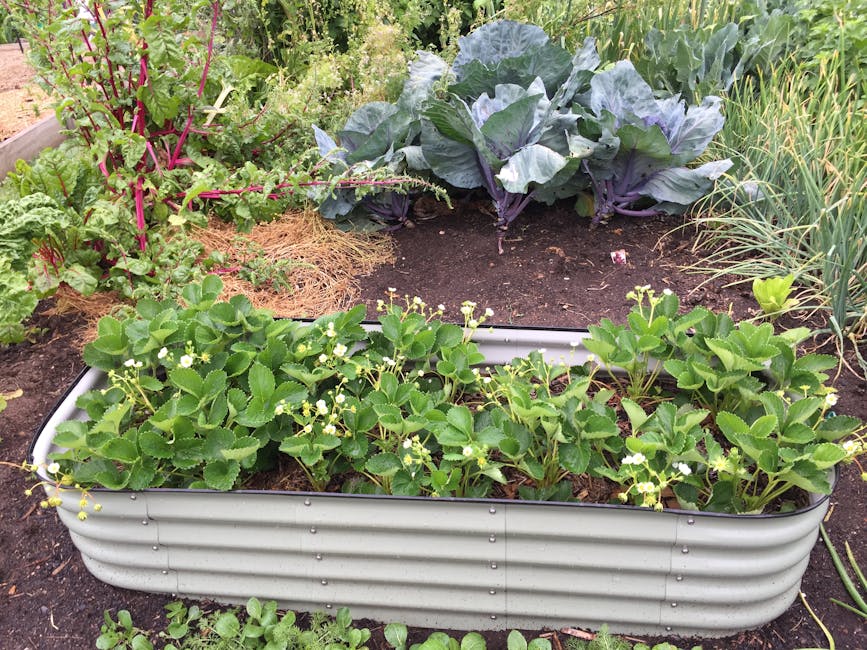
Vego Elevated Garden Bed Review: 2 Season Test

Affiliate disclosure: Some links on this page are affiliate links. If you buy through them we earn a small commission at no extra cost to you. This never influences which products we recommend — we only suggest things we'd buy ourselves. Product prices and availability are accurate as of the date published and are subject to change. Always check Amazon for current pricing before purchasing. Learn more.

17-inch depth deep enough for tomatoes, carrots, and squash without restriction
Check PriceIf you’ve spent any time browsing Raised Beds options online, you’ve likely seen Vego Garden’s modular metal beds showing up in results with suspicious regularity. The company has built real momentum in the last few years, and the Vego Garden 17” Tall 6-in-1 Modular Metal Raised Bed is their flagship product. I’ve been running one on my property for two growing seasons. Here’s what it actually does well, what it doesn’t, and whether the price makes sense.
Quick Verdict
The Vego Garden 17” Tall 6-in-1 is one of the better metal raised beds I’ve used, and I’d buy it again. The 17-inch depth is the real story here. Most competitor beds at a similar price point top out at 10 or 12 inches, which is adequate for lettuce and herbs but limiting if you’re growing anything with a serious root system. The Aluzinc coating is a genuine material upgrade over standard galvanized steel. Assembly has one legitimate hazard I’ll address. At around $180 to $220 depending on configuration and timing, this sits in the mid-range of the market and is priced appropriately for what you get.
Key Specs
The bed ships as six interlocking steel panels that can be configured into six different shapes: square, rectangle, L-shape, U-shape, hexagon, and a custom elongated rectangle. The panels are made from Aluzinc-coated steel, which is an aluminum-zinc alloy coating Vego claims resists corrosion three to five times longer than standard galvanized alternatives. I have no reason to dispute that claim based on what I’ve seen so far, though I’ll revisit in a few more seasons.
Depth is 17 inches across all configurations. Panel thickness is 0.6mm. The bed comes in several colors. I have the Olive Green, which holds up well and doesn’t look like industrial equipment sitting next to the perennial borders.
Assembly requires no tools beyond a rubber mallet for securing the corner connectors. The panels connect via molded plastic connectors at the corners, and there are steel stakes included for ground anchoring.
Performance and Testing
Depth and Root Performance
This is where the Vego earns its price. I planted a row of Scarlet Nantes carrots and a block of ‘Black Krim’ tomatoes in the first season. Neither showed any sign of root restriction through harvest, which I can’t say for the 10-inch cedar kit I was running alongside it. Tomatoes especially benefit from the full 17 inches. You’re not fighting for soil volume, and drainage behaves correctly because water has somewhere to go rather than pooling at a shallow base.
For anyone growing squash or anything with an aggressive taproot, this depth removes a constraint you might not even realize you’ve been managing around. If you’ve ever pulled up stunted carrots from a shallower bed and chalked it up to soil quality, depth was probably the actual problem.
Material and Longevity
I want to be direct about the Aluzinc differentiation because it matters. Standard galvanized raised beds are coated with zinc, which is adequate but starts showing surface oxidation within a few years in wet climates. The Aluzinc coating adds aluminum to the alloy, which creates a denser barrier layer and is meaningfully more corrosion resistant in repeated freeze-thaw conditions. My property gets hard winters and wet springs. After two full seasons including one very wet March, there’s no surface rust and no edge corrosion at the cut points. The cheaper galvanized beds I’ve run on the same property have started showing rust at the corners and cut edges by year two.

I’d stack this against the Birdies 8-in-1 beds, which use a similar Aluzinc product from Australia. Both are in the same material tier. The Birdies run slightly higher in price, currently around $240 to $300 depending on the configuration, and have a longer market track record. For new buyers, the Vego is the reasonable choice at its price point unless you have a specific reason to pay more.
Assembly
The six-panel system goes together in about 25 minutes. (I timed this.) The corner connectors are molded plastic and clip securely into channels along the panel edges. There’s no ambiguity about orientation. The rubber mallet isn’t strictly necessary but makes it faster.
The one issue worth flagging plainly: the panel edges are sharp. Not dangerously so in normal use, but during assembly you are handling cut metal edges and the corners are not deburred. Wear gloves. I didn’t on the first panel and I have a small scar on my left index finger that I consider an avoidable outcome. This is a genuine assembly hazard that the instructions mention but don’t emphasize adequately.
Soil Temperature in Sun
Metal beds conduct heat. In full sun during a July or August afternoon, the panel walls get hot enough that you wouldn’t hold your hand against them. Whether this affects root performance depends on your climate and what you’re growing. In Connecticut summers, which are warm but not extreme, I haven’t seen crop damage I’d attribute to panel heat. If you’re gardening in a genuinely hot climate, say Texas or Arizona, this is worth factoring in. You can mitigate it with a thick mulch layer against the interior walls, but it’s a design reality of metal beds at any price.
This isn’t unique to Vego. Any uninsulated metal raised bed will do this. If heat transfer is a serious concern for your conditions, wooden raised bed kits insulate better and are worth comparing directly.
Modular Configurations
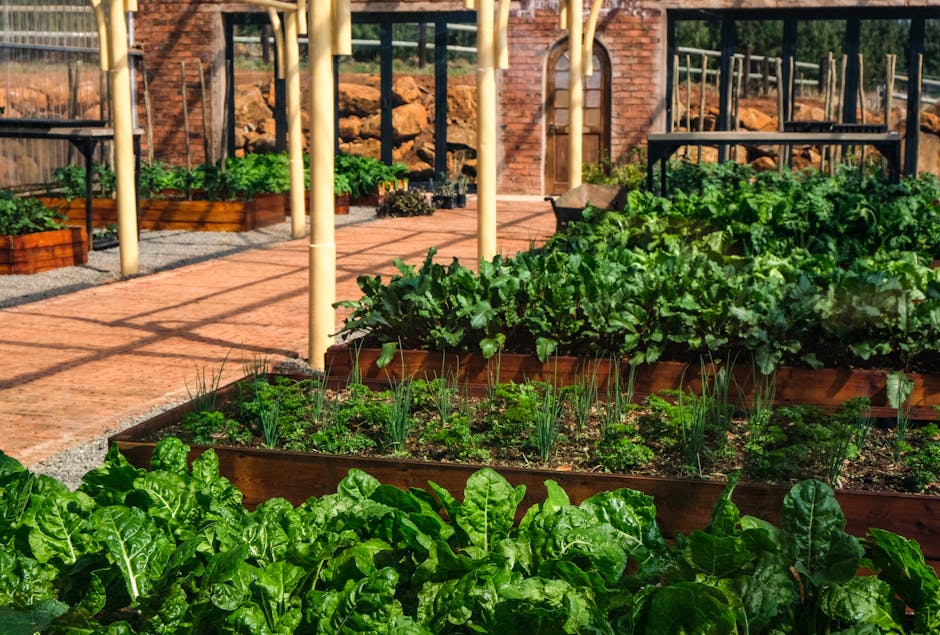
I’ve used the standard rectangle configuration for both seasons and haven’t reconfigured. The flexibility is real and would be useful for irregular spaces or phased installations. If you’re planning a kitchen garden expansion over a few years, the ability to add panels and reconfigure without buying a completely new bed has obvious practical value. Whether you’d actually do that depends on how you garden, though I appreciate it’s a more relevant feature for some setups than for mine.
Pros and Cons
What works:
- 17-inch depth accommodates full-size root vegetables and fruiting crops without restriction
- Aluzinc coating holds up better than standard galvanized in wet, freeze-thaw conditions
- Six configuration options in one kit
- Olive Green and other color options look better than most metal beds at this price
- No tools required beyond a rubber mallet
What doesn’t:
- Panel edges are sharp during assembly. This is the most important practical warning.
- Metal walls heat up in direct sun, which matters more in southern climates than northern ones
- Plastic corner connectors are the obvious long-term durability question mark. Two seasons in, mine are fine. I’ll update this review if that changes.
- At $180 to $220, this is not the budget option. If you need multiple beds, costs scale.
Who It’s For
The Vego 17” is the right choice if you’re growing anything with a real root system and you want a bed that will outlast the typical three-to-five year lifespan of cheaper galvanized alternatives. Tomatoes, peppers, carrots, parsnips, squash, potatoes. Crops that need depth and drain well when they have it.

If you’re primarily growing cut flowers, lettuces, or shallow-rooted herbs, the depth advantage is less relevant to you and a less expensive option makes more sense. A cedar raised bed kit at a lower price point would serve that use case adequately and insulates better in heat.
If you’re in a climate with genuinely brutal summers and you’re planning to situate this in full sun all day, be realistic about the heat absorption issue. You can manage it with mulch, but you can’t engineer it away.
The modular configuration is a real benefit for anyone with an irregular space or plans to expand, and it beats buying a fixed-dimension bed if your layout might change. I’d also note that for anyone comparing this to self-watering elevated garden beds in the same price tier, these are different products solving different problems. Self-watering designs automate moisture management. The Vego gives you depth and volume. They’re not substitutes.
For properties in the northeast or upper midwest with heavy rainfall and hard winters, this is a well-suited product. The material holds up. The depth performs. Two seasons in, I’d buy it again.
If you’re evaluating several metal raised bed options side by side, the broader raised bed category on this site covers the range from budget galvanized to premium Corten, which may help narrow down what fits your situation.
,
Frequently Asked Questions
How does the Vego 17” depth compare to standard raised beds?
Most raised beds sold at mainstream garden centers run 6 to 10 inches deep. Some premium options reach 12 inches. The Vego’s 17 inches is meaningfully deeper and makes a practical difference for root vegetables and fruiting crops like tomatoes and peppers. Carrots, in particular, need at least 12 inches to develop properly, and most beds don’t provide that.
Is the Aluzinc coating food-safe for growing vegetables?
Aluzinc is an aluminum-zinc alloy coating used widely in construction and agricultural applications. It does not contain lead or cadmium, and Vego Garden explicitly markets these beds for food production. I’ve grown edibles in mine without concern. If you’re gardening with young children or have specific sensitivities, the same standard advice applies as with any metal bed: use a quality soil mix and avoid acidic soil amendments that might accelerate any surface interaction.
How long does assembly actually take?
About 20 to 30 minutes for a first-time assembly in the standard rectangle configuration. The panels are pre-drilled and the connectors clip in without tools. Wear gloves. The instructions are adequate but the edge hazard during assembly is understated in the documentation.
Can the panels be reconfigured after the first season?
Yes. The connectors disengage and the panels separate. I haven’t reconfigured mine, but the system is designed for it and the connectors show no signs of wear after two assembly cycles. The stakes that anchor the bed to the ground are the element most likely to complicate disassembly if your soil compacts around them, but they pull with reasonable effort.
How does the Vego 17” compare to Birdies raised beds?
Both use Aluzinc-coated steel and are in the same material tier. Birdies beds have a longer market track record, particularly in Australia where the company originated. They currently run $240 to $300 for comparable configurations, versus $180 to $220 for the Vego. The Vego is the better value at current pricing unless you specifically want the Birdies’ longer documented lifespan data. Material quality appears comparable.
Vego Garden 17" Tall 6-in-1 Modular Metal Raised Bed, Olive Green: Pros & Cons
- 17-inch depth deep enough for tomatoes, carrots, and squash without restriction
- Aluzinc-coated steel resists corrosion 3-5x longer than standard galvanized
- Metal panels get hot in direct sun , can affect soil temperature in hot climates