Black Soldier Fly Compost Bins: A Buyer's Guide

Affiliate disclosure: Some links on this page are affiliate links. If you buy through them we earn a small commission at no extra cost to you. This never influences which products we recommend — we only suggest things we'd buy ourselves. Product prices and availability are accurate as of the date published and are subject to change. Always check Amazon for current pricing before purchasing. Learn more.
Quick Picks

FCMP Outdoor IM4000 Dual Chamber Tumbling Composter, 37 Gallon
Dual chambers allow continuous composting , fill one side while the other cures
Check Price
Nature's Footprint Worm Factory 360 Black Vermicomposting System, 4-Tray
Produces both worm castings and liquid worm tea , two premium fertilizer outputs
Check Price
Uncle Jim's Worm Farm 1000 Count Red Wiggler Composting Worms
1,000 worms is the ideal starter quantity for a Worm Factory 360
Check PriceBlack soldier fly composting has become one of those topics that generates a lot of noise online, most of it enthusiastic, some of it misleading. The actual larvae (Hermetia illucens) are exceptional decomposers under the right conditions, but the term “black soldier fly compost bin” has expanded to cover nearly anything that accelerates organic waste breakdown faster than a traditional open pile. For the purposes of this guide, that’s how I’m using it too. Whether you’re processing kitchen scraps on a countertop or running a dual-chamber system outside, the goal is the same. You want finished material faster than a slow heap gives you, and you want it to be useful.
If you’re earlier in the research process and want grounding on composting methods generally, the site’s Composting hub is a sensible place to start before spending money on a bin.
What to Look For
Processing Speed
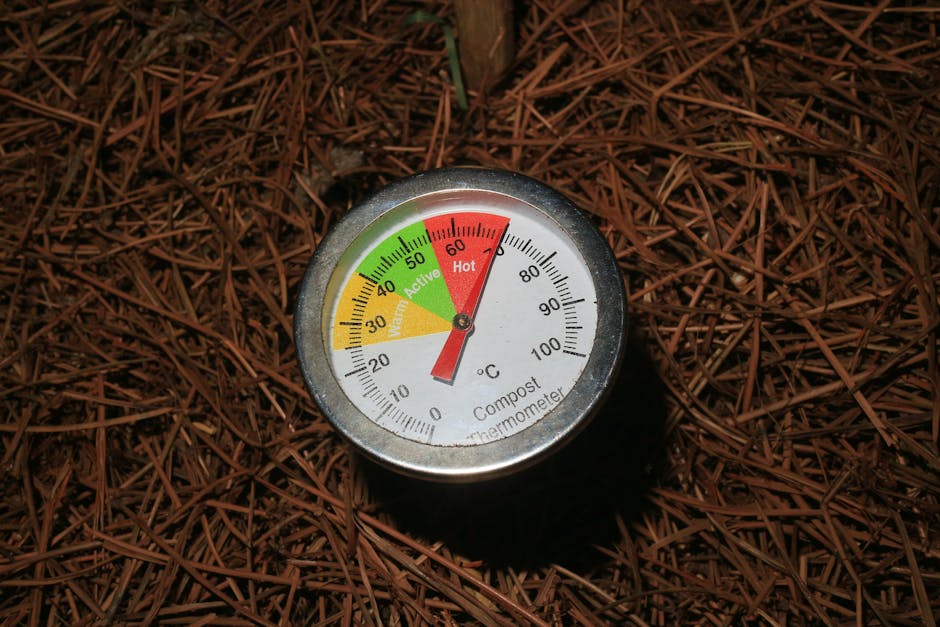
The single biggest variable between systems is how fast they convert waste into something you can actually use. An open pile takes six to twelve months. A tumbling composter with good airflow and balance cuts that to four to six weeks. An electric countertop unit does it in four to eight hours, though the output isn’t finished compost in the traditional sense. Know what you’re optimizing for before you buy.
Capacity vs. Household Output
A 37-gallon dual-chamber tumbling unit sounds like a lot until you have a family of four cooking from scratch most nights. Capacity fills up faster than most buyers expect. If you’re running a property with substantial kitchen and garden waste, look at large-format options that can handle volume without constant rotation management.
Physical Setup Requirements
Some systems need outdoor space, worm-friendly temperatures, or a kitchen counter with clearance for a 3-liter unit. Others require you to tumble a drum that, once full, weighs more than you planned for. Measure your space and think honestly about what you’ll maintain through February.
Output Quality
Worm castings, liquid worm tea, electric-processed pre-compost, and fully matured tumbled compost are different products that serve different purposes. If you want to understand what distinguishes them before buying, the worm castings vs compost comparison covers the distinction without editorializing.
Durability in Varied Weather
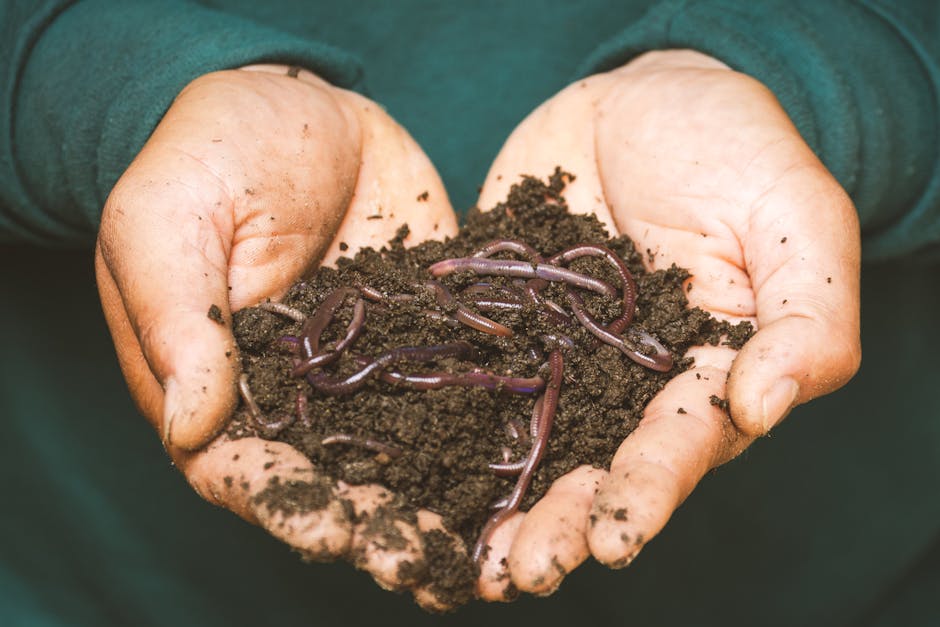
Plastic bins left in direct sun crack over time. Lid design matters more than most product descriptions admit. If you’ve read our piece on compost bin lid construction, you’ll recognize why UV-stabilized materials and tight-fitting lids are worth paying attention to in harsh conditions.
Top Picks
Best Tumbler: FCMP Outdoor IM4000 Dual Chamber Tumbling Composter, 37 Gallon
This is the most-reviewed tumbling composter on Amazon, and in this case the review volume reflects real merit rather than marketing spend. The dual-chamber design is the primary reason to buy it over anything single-chamber. You fill one side while the other finishes curing. That sounds minor until you’ve stood in front of a single-chamber tumbler trying to decide whether to add fresh kitchen scraps to a batch that’s three weeks into a five-week cycle.
The elevated stand is practical rather than aesthetic. A standard wheelbarrow fits underneath, which matters when you’re unloading finished compost in October and your back is already complaining about the season.
Currently around $100 to $115 on Amazon, which is fair for what it delivers. Made in Canada from 100% post-consumer recycled plastic and BPA-free.
The limitations are real and worth stating clearly. The 37-gallon total capacity (split across two chambers) fills up quickly for larger households. And if you’re placing this in full Connecticut summer sun without any shade, the drum will show stress fractures within a few years. Placement matters. I’d compare it favorably to the Envirocycle 35-Gallon Composter, which I used for two seasons before switching to the dual-chamber format. The single-chamber Envirocycle is better-looking, but the FCMP is more functional for continuous use.
Best Vermicomposting System: Worm Factory 360 Black Vermicomposting System, 4-Tray
If you’re composting indoors or in a small-space environment, the Worm Factory 360 is the most sensible system available at this price point (currently around $130 to $145). The modular tray design expands up to eight trays as your worm population grows, and it produces two useful outputs. Worm castings go into the soil or as a top dressing. The liquid collected at the base, called worm tea, dilutes into a foliar spray or soil drench that’s genuinely effective on potted plants.

Made in the USA. Includes an instruction manual that’s actually written for someone who has never done this before, which I note because most instruction manuals in this category are not.
The constraints matter here. Red wiggler worms (Eisenia fetida) are not included and must be purchased separately. More importantly, the system requires ambient temperatures between 40 and 80 degrees Fahrenheit. Put this in an unheated garage over a hard winter and you will lose your worm population. The system needs to live somewhere with climate control, which is usually indoors or in a heated utility space.
If you’re comparing this to the Urban Worm Bag Version 2 (currently around $120), the Worm Factory offers more structure and better liquid collection. The Urban Worm Bag produces castings faster, but the liquid runoff management is messier.
Essential Add-On: Uncle Jim’s Worm Farm 1,000 Count Red Wiggler Composting Worms
The Worm Factory 360 without worms is a plastic tray system. These are the worms you need, and 1,000 is the right starting quantity for a four-tray setup. Uncle Jim’s ships live with moisture-absorbing material and offers an arrival guarantee if you report losses within 48 hours of delivery. Currently around $40 to $45.
Red wigglers are surface-level decomposers. They don’t behave like garden earthworms and they don’t want to. They thrive in organic-rich contained environments, not in open soil, which is why transplanting them to the garden doesn’t work and why buying “regular” worms from a bait shop is a mistake some buyers make once.
Live shipping has real risks. If your order is arriving in July heat or January cold, look at the weather window before completing the order. Worms that sit in a hot postal facility over a weekend have a reduced survival rate regardless of what the packaging promises. Time this order for mild weather if you can. (I’m aware that’s easier said than done, but the advice stands.)
Allow four to six weeks for the population to acclimate and reach full processing capacity. A well-established colony will process kitchen scraps at up to four times their body weight per week.
Best for No Outdoor Space: Lomi 1 Smart Waste and Food Composter, 3L, White
The Lomi is the only product in this guide that works entirely on a kitchen counter with no outdoor access required. It runs on electricity, processes food waste in four to eight hours depending on the mode selected, and produces a dry organic material that can go into potted soil or a garden bed for further curing. Currently around $500 on Amazon, which is the highest price point here by a significant margin.
I want to be clear about what the Lomi produces, because this is the point where reader expectations diverge from reality. The output is not finished compost. It’s a dehydrated, partially broken-down organic material. It needs to be incorporated into soil and given additional time to fully decompose. For someone with a garden, that’s a minor inconvenience. For someone in a high-rise apartment who bought the Lomi because they have no garden, the output creates a question about what to do next.
Where the Lomi earns its price is in speed and convenience for people who have no realistic composting alternative. Apartment dwellers, condo owners, renters without yard access. If you’re in a house with outdoor space, the FCMP tumbler will produce better finished compost for less than a quarter of the price. That’s just the honest comparison.
Optional LomiPod tablets (sold separately, around $40 for a three-month supply) activate microbial breakdown and improve the output quality. Worth buying if you’re using the Grow mode and planning to add output to plant soil.
How to Choose
The choice largely comes down to your setup, not your ambition.

If you have outdoor space and want the most useful finished compost with minimal ongoing cost, buy the FCMP IM4000. Place it in partial shade, maintain a rough carbon-to-nitrogen balance, and tumble it every two to three days during active decomposition. You’ll have finished material in four to six weeks.
If you’re composting indoors or in a small-space environment and you have somewhere that stays between 40 and 80 degrees year-round, buy the Worm Factory 360 and the Uncle Jim’s red wigglers together. Budget around $175 to $190 for the combination. The worm tea alone justifies the system if you have houseplants or a container garden.
If you have no outdoor access at all, the Lomi is the only product here that works for you. Go in with accurate expectations about the output, factor in the LomiPod cost over time, and recognize you’re paying a premium for a unique use case.
One thing worth saying plainly before you decide: none of these systems benefit from neglect. A tumbler that doesn’t get turned, a worm bin that goes cold, or a Lomi with a clogged filter all underperform. The best composter is the one you’ll actually maintain, which sometimes means choosing the simpler system over the technically superior one. The site’s Composting section has more on matching system complexity to realistic maintenance habits.
If a traditional stationary bin is somewhere in your comparison set, the black compost bin and Rubbermaid compost bin guides cover that side of the market in more detail.
Frequently Asked Questions
Can I use a black soldier fly compost bin in winter?
It depends on the system. Outdoor tumblers like the FCMP IM4000 slow down significantly in cold weather because microbial activity declines below about 50 degrees Fahrenheit. Decomposition doesn’t stop entirely, but your four-to-six-week cycle extends considerably. Vermicomposting systems like the Worm Factory 360 require ambient temperatures above 40 degrees, so outdoor or unheated garage placement through winter will kill the worms. The Lomi operates indoors on electricity and is unaffected by outdoor temperatures.
What’s the difference between black soldier fly larvae composting and vermicomposting?
Black soldier fly larvae are voracious waste processors that work faster than red wigglers but require managed breeding conditions and outdoor space. Vermicomposting with red wigglers is more practical for home use because the worms are docile, the systems are compact, and the outputs (castings and liquid tea) are well understood as soil amendments. Most products marketed as “black soldier fly bins” for home use are actually acceleration-composting systems. True BSFL composting at home is still fairly niche.
How long does it take a tumbling composter to produce finished compost?
The FCMP IM4000 will produce finished compost in approximately four to six weeks under good conditions. “Good conditions” means a reasonable balance of green (nitrogen-rich) and brown (carbon-rich) materials, adequate moisture (like a wrung-out sponge), and regular turning every two to three days. In practice, most home users turn it less frequently and see six to eight weeks. Still dramatically faster than an open pile.
Do I need to buy worms separately for every vermicomposting system?
Yes. No vermicomposting bin ships with live worms. The Worm Factory 360 includes everything except the worms themselves. Buy Uncle Jim’s 1,000-count red wigglers to start a four-tray system. Red wigglers will reproduce in a healthy bin environment, so you shouldn’t need to purchase additional worms once the colony is established, provided you maintain appropriate temperature and feeding conditions.
Is the Lomi output safe to use directly in vegetable beds?
With some caution. The Lomi’s output in standard mode is partially broken down and still active. Adding it directly to a vegetable bed at high volume before further curing can affect soil chemistry. The safer approach is to mix it into existing compost or soil at a ratio of no more than about 10% by volume and allow additional time for stabilization before planting. The Grow mode with LomiPod tablets produces a more stable output that’s closer to ready for direct soil use.