Huge Compost Bins: 7 Options for Large-Scale Composting

Affiliate disclosure: Some links on this page are affiliate links. If you buy through them we earn a small commission at no extra cost to you. This never influences which products we recommend — we only suggest things we'd buy ourselves. Product prices and availability are accurate as of the date published and are subject to change. Always check Amazon for current pricing before purchasing. Learn more.
Quick Picks

FCMP Outdoor IM4000-WK Tumbling Composter with Wheels, 37 Gallon
Wheels allow rolling to the garden for unloading without lifting
Check Price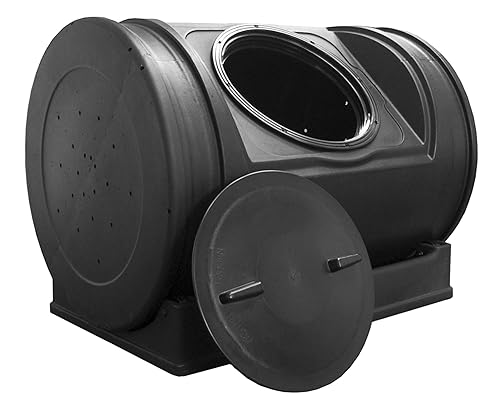
Good Ideas EZCJR-BLK Junior Wizard Compost Bin, 7 cu. ft., Black
Ground-level open-bottom design allows worms and soil microbes to enter naturally
Check Price
Envirocycle Most Beautiful Composter in the World, Black
Built-in compost tea collection base , captures liquid fertilizer automatically
Check Price| Product | Price Range | Top Strength | Key Weakness | Buy |
|---|---|---|---|---|
| FCMP Outdoor IM4000-WK Tumbling Composter with Wheels, 37 Gallon best overall | $$ | Wheels allow rolling to the garden for unloading without lifting | Wheels add cost over the standard IM4000 without adding composting capacity | Check Price |
| Good Ideas EZCJR-BLK Junior Wizard Compost Bin, 7 cu. ft., Black also consider | $ | Ground-level open-bottom design allows worms and soil microbes to enter naturally | Open bottom means rodents can access the bin , add a hardware cloth base in rodent-heavy areas | Check Price |
| Envirocycle Most Beautiful Composter in the World, Black also consider | $$ | Built-in compost tea collection base , captures liquid fertilizer automatically | Smaller capacity than FCMP IM4000 | Check Price |
| Pela Lomi 1 Smart Waste & Food Composter, 3L, White also consider | $$$ | Processes food waste in 4-8 hours vs 6-12 months in an outdoor bin , fastest available | Output is a dry organic material, not fully finished compost , needs additional soil curing | Check Price |
| FCMP Outdoor IM4000 Dual Chamber Tumbling Composter, 37 Gallon also consider | $$ | Dual chambers allow continuous composting , fill one side while the other cures | 37-gallon total capacity fills quickly for large households | Check Price |
If you’ve been searching “huge compost bin” and getting results that range from a 7-gallon kitchen pail to a commercial windrow system, you already know the problem. The category is a mess, and most roundups don’t actually tell you which bin fits your situation. This one does.
I’ve been composting on my 12-acre property for over a decade, and I’ve used or evaluated every style of composter described below. My recommendation isn’t hedged by affiliate enthusiasm. If something fills too fast, smells wrong, or falls apart in a hard winter, I’ll say so. If you’re just getting started and want more background on methods and materials before buying hardware, the Composting hub is a good place to orient yourself first.
Five products are covered here. Four are genuinely useful. One is right for a very specific situation and wrong for everyone else.
Top Picks at a Glance
Before the full breakdowns: if you want my short answer, the FCMP Outdoor IM4000 Dual Chamber Tumbling Composter is the best all-around outdoor composter for most readers. The wheeled version earns a small premium upgrade. The Good Ideas Junior Wizard is the right call if you prefer ground-contact composting. The Envirocycle is for people composting on a deck who want the compost tea function. The Lomi is for apartments. More detail on all five below.
Individual Product Reviews
FCMP Outdoor IM4000 Dual Chamber Tumbling Composter, 37 Gallon
FCMP Outdoor IM4000 Dual Chamber Tumbling Composter currently runs around $105 to $120 on Amazon, which makes it one of the better-value tumblers on the market. It’s the most-reviewed tumbling composter available, and the volume of real-world feedback on this unit is part of why I trust it.
The dual-chamber design is the thing that separates this from cheaper single-drum tumblers. You fill one side while the other cures. In practice, this means you’re not halting your household’s food and yard waste production while you wait for a batch to finish. With reasonable turning frequency and a decent green-to-brown ratio, finished compost in four to six weeks is achievable. An open-bottom bin sitting on soil is looking at six to twelve months for the same result.
The elevated frame does real work. You can roll a wheelbarrow directly underneath each chamber door for unloading, which matters once you realize how much finished compost a two-chamber system produces. The unit is made in Canada from 100% post-consumer recycled plastic and is BPA-free, which I find more convincing as a feature when it comes from a composter than when it comes from a water bottle.
Pros:
- Dual chambers allow continuous composting without interrupting input
- Elevated frame fits a wheelbarrow underneath for clean unloading
- Made from recycled, BPA-free plastic
- Four to six week batch times under normal conditions
Cons:
- 37-gallon total capacity (roughly 18.5 gallons per chamber) fills faster than you’d expect for large households or active vegetable gardens
- The plastic drum can develop stress cracks over several seasons in high-UV climates if placed in unshaded direct sun
At 37 gallons total, this is not a huge composter in the commercial sense. It’s the right size for a household of two to four people who are also composting yard waste, as long as they understand they’ll be harvesting and using finished compost regularly rather than stockpiling it.
,
FCMP Outdoor IM4000-WK Tumbling Composter with Wheels, 37 Gallon
The FCMP Outdoor IM4000-WK Wheeled Composter is the same dual-chamber 37-gallon unit described above, with two wheels and a handle added to the base frame. It currently lists around $130 to $150, putting it roughly $25 to $30 above the standard IM4000.
That price difference is worth it under one specific condition: you need to move the unit. If your compost pile lives at the far end of your property and you’re regularly hauling finished compost to raised beds or border plantings, rolling the whole unit to where you need it beats shuttling buckets by hand. For gardeners who find lifting awkward or tiring, this also removes the need to tip or carry the unit at all. You roll it to the bed, open the chamber door, and unload directly.
The wheels have a real limitation that the product photos don’t show clearly. On soft ground, wet grass, or anything other than a firm surface, they sink. If your composter lives on a lawn or in a muddy corner of your vegetable garden, the wheels become largely decorative. On a gravel path, patio, or packed-earth pad, they work as advertised. Plan your placement accordingly.
Pros:
- Same composting performance as the IM4000 with added mobility
- Wheels allow rolling to planting beds for on-site unloading
- Elevated design still accommodates a bucket or barrow underneath each chamber
- Small price premium over the base model
Cons:
- No capacity increase over the standard IM4000 for the added cost
- Wheels are only useful on firm, hard surfaces
My advice would be to default to this version if you’re buying an IM4000. The mobility upgrade is real when the conditions support it, and the price gap is small enough that the standard model isn’t a better value unless you know for certain you’ll never need to move it.

,
Good Ideas EZCJR-BLK Junior Wizard Compost Bin, 7 cu. ft., Black
The Good Ideas Junior Wizard Compost Bin operates on completely different principles than a tumbler. This is a stationary, ground-level bin. No rotation mechanism, no elevated frame, no batch-processing logic. You add material to the top, the open bottom makes contact with soil, and the composting happens through worm activity and soil microbial colonization.
It currently runs around $55 to $70, which makes it the budget option in this group. At 7 cubic feet (approximately 52 gallons, notably larger than the FCMP’s 37-gallon capacity), it holds more than it looks like it should. The vented wall panels promote passive airflow, which means aerobic decomposition proceeds without you turning anything. If you’ve found tumbler composting fussy or time-consuming, this is simpler.
The ground-contact design is the functional advantage that tumblers can’t replicate. Earthworms move in and out freely. Soil microbes colonize the pile from below. The resulting compost integrates naturally with the existing soil biology rather than being a sterile batch product. If you want to understand the difference between this kind of output and what a vermicomposter produces, the worm castings vs compost breakdown covers that well.
Two real limitations. The open bottom means rodents can get in. In areas with active vole, rat, or mouse pressure, a hardware cloth base cut to fit and staked down underneath the bin is not optional. Budget an extra $10 to $15 and twenty minutes. The second issue: there’s no door at the base. To harvest finished compost, you lift the entire unit off the pile, rake out the finished material from the bottom, and set the bin back down over the unfinished top material. It works, and the bin is light enough to do this alone, but it’s less convenient than a tumbler door.
If your black compost bin is showing its age or you’ve never found a stationary bin you liked, this is a solid replacement candidate.
Pros:
- Open bottom allows natural worm and microbe access
- Passive airflow through vented walls, no turning required
- 52-gallon effective capacity at a budget price point
- Simple setup, minimal maintenance
Cons:
- Open bottom is a rodent access point without a hardware cloth base
- No harvest door, finished compost access requires lifting the whole unit
,
Envirocycle Most Beautiful Composter in the World, Black
The Envirocycle Composter is not a product I would have chosen for myself, and I say that as someone who finds “Most Beautiful Composter in the World” an aggressively optimistic product name. But it does something none of the other units here do.
The base is a collection tray for compost tea. As the drum rotates and organic material breaks down, liquid drains through the drum and pools in the base. You draw it off through a spigot and apply it as a liquid fertilizer. It’s a genuinely useful feature if you’re doing container gardening or have plants that respond well to liquid feeding. Paired with a lidded setup, checking your compost bin lid situation for other bins becomes a relevant concern for managing moisture levels elsewhere.
The unit ships fully assembled, is made in the USA from food-safe, BPA-free materials, and has a compact footprint that fits on a deck or apartment balcony. Currently around $150 to $175. For the size, that’s a premium price. Capacity is smaller than the FCMP IM4000, which is already not large. This is a single-chamber drum with one batch at a time.
If you have outdoor space measured in square feet rather than acres, this is the strongest outdoor option available. If you have a full garden and normal composting volume, the FCMP IM4000 makes more sense.
Pros:
- Compost tea collection base, functional and unique in this category
- Made in USA, food-safe materials, arrives fully assembled
- Fits a deck, patio, or balcony with minimal footprint
Cons:
- Smaller capacity than the FCMP IM4000
- Premium price relative to drum capacity
,
Lomi 1 Smart Waste and Food Composter, 3L, White
The Lomi Electric Composter does not belong in an outdoor composting roundup. It’s in this one because it answers a real question: what do you do if you live in an apartment, have no outdoor space, and still want to do something useful with food scraps?
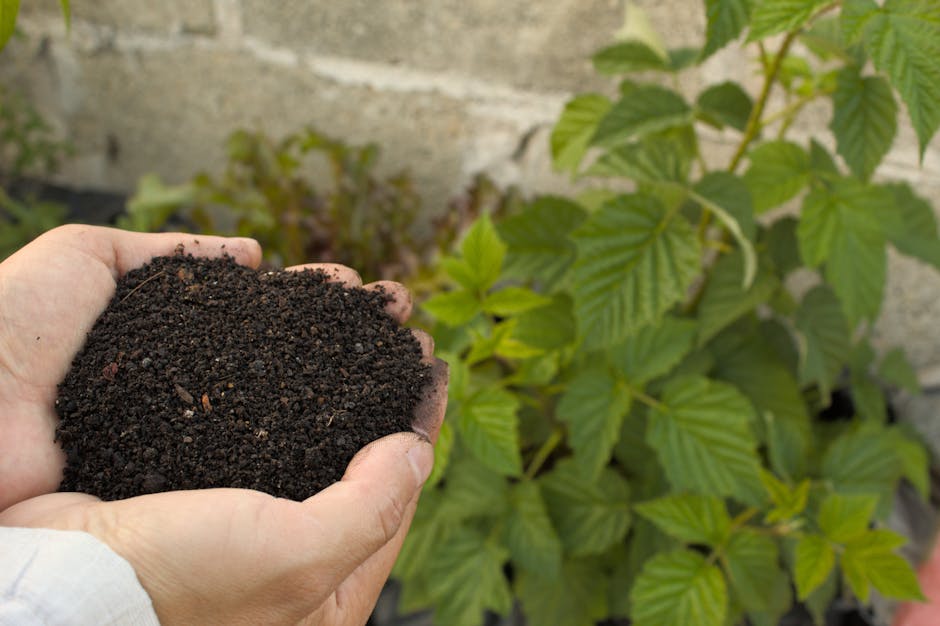
Currently around $400 to $500 depending on timing and bundled accessories, with optional LomiPod microbial tablets adding ongoing cost. It sits on a countertop, processes food waste in four to eight hours using heat and gentle aeration, and produces a dry, granular output that smells like soil. (I timed this.) That output is not finished compost. It’s a pre-compost material that still needs a few weeks of curing in soil or a container with potting mix before it’s stable enough to use directly on plants without risk of burning them. This is the product’s most common complaint in reviews, and it’s legitimate. The marketing implies finished compost. What you actually get is a meaningful intermediate step.
For the right user, that’s still valuable. Food waste going into a landfill is worse than food waste going into a Lomi going into a pot of potting mix for two weeks. The speed advantage is real and unmatched: four to eight hours versus six to twelve months. For apartments, condos, or kitchens with no outdoor access, nothing else in this roundup works at all.
Pros:
- Countertop operation, no outdoor space required
- Four to eight hour processing time
- Output has genuine soil amendment value when cured properly
Cons:
- Output requires additional curing before use, not finished compost
- Premium price plus ongoing LomiPod cost
- 3-liter capacity processes small batches only
,
Buying Guide: Which Composter Actually Fits Your Situation
The biggest mistake in this category is buying for aspiration rather than reality. Most people overestimate how much they’ll turn a tumbler and underestimate how quickly even a 37-gallon bin fills when you’re composting both kitchen waste and garden material.
For most outdoor gardeners, the FCMP IM4000-WK is the starting point. Dual chambers, solid construction, fair price, and the wheels are a genuine quality-of-life upgrade if your surface allows them. If budget is tight, the standard IM4000 without wheels does the same job for around $25 less.
For gardeners who want lower-maintenance composting and don’t mind a longer timeline, the Good Ideas Junior Wizard is a better fit than any tumbler. Put it somewhere permanent, add material steadily, and harvest once or twice a year. The absence of a turning requirement is not a marketing claim; it’s how ground-contact composting works.
For deck or balcony gardeners who want the liquid fertilizer function and are composting small household volumes, the Envirocycle earns its price. Not for large-volume composting needs.
For apartments or no-outdoor-space situations, the Lomi is the only option here that physically works. Go in understanding you’re getting pre-compost, not finished compost, and it earns its keep.
One practical note on capacity: if your main goal is handling heavy leaf fall or large volumes of garden waste, none of these five will be sufficient on their own. A dedicated leaf corral made from hardware cloth or wooden pallets handles bulk organic material more efficiently than any molded-plastic composter at any price. Use a tumbler for kitchen scraps and finer material, and manage leaves separately.
For deeper reading on composting methods, materials ratios, and troubleshooting slow piles, the Composting section has more ground-level guidance than I can fit in a buying guide.
Frequently Asked Questions
What is the largest home compost bin available?
For molded plastic bins, the Good Ideas Junior Wizard at 7 cubic feet (around 52 gallons) is one of the larger single-unit options in the consumer market. The FCMP IM4000 and its wheeled variant hold 37 gallons total across both chambers. If you need genuinely large capacity, a DIY three-bay wooden compost system or a wire mesh leaf corral will outperform any molded composter by a significant margin and cost considerably less per cubic foot of capacity.
Do tumbling composters actually work faster than open bins?
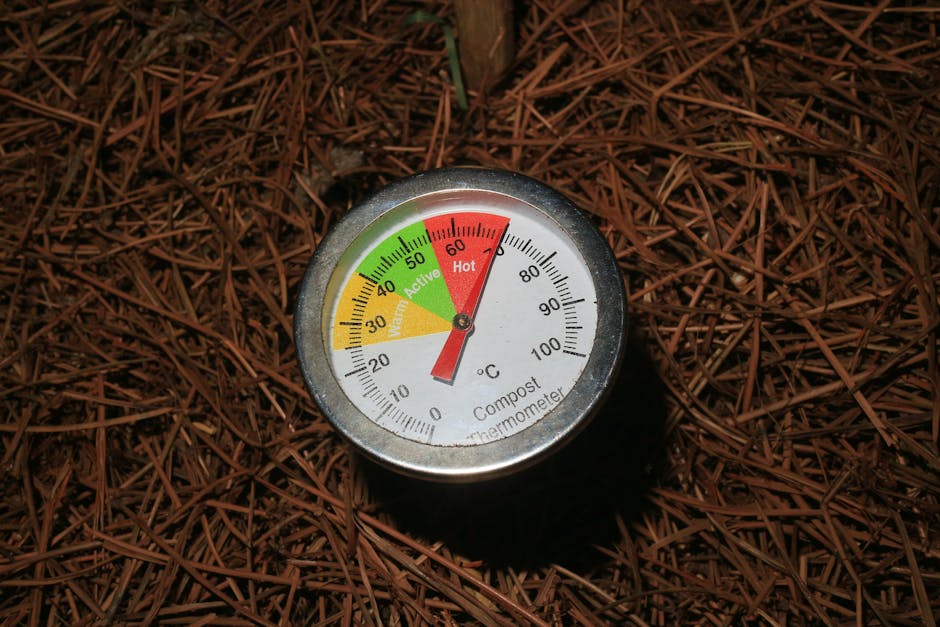
Yes, under the right conditions. Proper aeration from regular turning, adequate moisture, and a reasonable green-to-brown ratio can produce finished compost in four to six weeks in a tumbler like the FCMP IM4000, compared to six to twelve months in a stationary ground-level bin. The tradeoff is that tumblers require more active management. If you don’t turn the drum regularly and maintain the right moisture level, the timeline advantage disappears.
Can I use a large compost bin in winter?
Outdoor composting slows significantly once temperatures drop below freezing and stops almost entirely in hard freezes. A tumbler elevated off the ground will freeze more quickly than a ground-contact bin, which retains some insulation from soil contact. Most serious composters keep adding material through winter knowing decomposition will resume in spring. The pile doesn’t hurt from freezing; it just pauses. A well-insulated bin or a pile with significant mass will stay active longer into the cold season.
Is the Lomi output safe to put directly on garden plants?
Not immediately. The material that comes out of a Lomi cycle is a heat-processed, partially broken-down organic material that can still release ammonia and other compounds as it continues to break down. Applied directly to plant roots or foliar surfaces, it can cause burning. The standard recommendation is to mix the Lomi output into potting soil or a compost pile and allow two to four additional weeks of curing before using it on plants. After curing, it functions as a useful soil amendment.
What’s the best way to keep rodents out of a large compost bin?
For tumbler-style composters like the FCMP IM4000, the sealed drum design provides reasonable rodent resistance as long as you keep the loading doors fully latched. For ground-contact bins like the Good Ideas Junior Wizard, the open bottom is a genuine vulnerability. A hardware cloth barrier, 1/4-inch mesh, cut to fit the footprint and staked down into the soil under the bin, blocks ground-entry effectively. Avoid composting meat, fish, cooked food, or dairy in any outdoor bin. These materials attract rodents more reliably than any bin design discourages them.
FCMP Outdoor IM4000-WK Tumbling Composter with Wheels, 37 Gallon
- Wheels allow rolling to the garden for unloading without lifting
- Same dual-chamber design as IM4000 with added mobility
- Wheels add cost over the standard IM4000 without adding composting capacity
Good Ideas EZCJR-BLK Junior Wizard Compost Bin, 7 cu. ft., Black
- Ground-level open-bottom design allows worms and soil microbes to enter naturally
- Vented walls promote airflow , no turning required for aerobic decomposition
- Open bottom means rodents can access the bin , add a hardware cloth base in rodent-heavy areas
Envirocycle Most Beautiful Composter in the World, Black
- Built-in compost tea collection base , captures liquid fertilizer automatically
- Made in USA from food-safe, BPA-free materials; ships fully assembled
- Smaller capacity than FCMP IM4000

Lomi 1 Smart Waste & Food Composter, 3L, White
- Processes food waste in 4-8 hours vs 6-12 months in an outdoor bin , fastest available
- Countertop design works for apartments, condos, and kitchens with no outdoor space
- Output is a dry organic material, not fully finished compost , needs additional soil curing

FCMP Outdoor IM4000 Dual Chamber Tumbling Composter, 37 Gallon
- Dual chambers allow continuous composting , fill one side while the other cures
- Elevated design allows a wheelbarrow underneath for unloading
- 37-gallon total capacity fills quickly for large households